
Overview
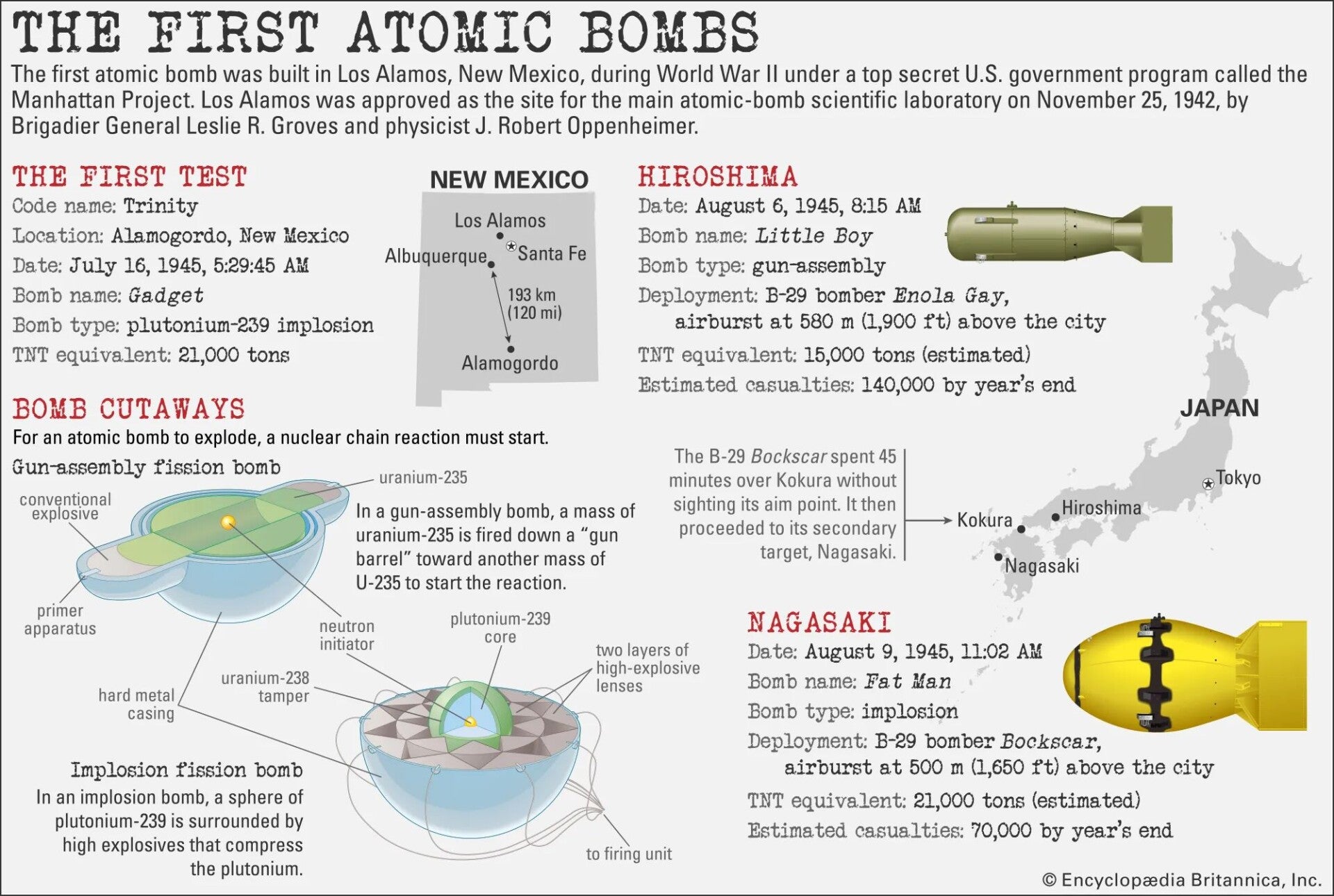
The atomic bombings of Hiroshima and Nagasaki in August 1945 marked a decisive and unprecedented escalation in modern warfare. On 6 August, a single uranium‑based device detonated over Hiroshima, destroying most of the city within seconds. The blast, heat, and firestorm killed tens of thousands instantly, while many more died in the following weeks from burns, trauma, and radiation sickness. The scale of destruction was unlike anything previously witnessed: reinforced concrete buildings were stripped to their frames, wooden districts were incinerated, and essential infrastructure collapsed. Hiroshima’s devastation demonstrated the bomb’s capacity to obliterate an urban centre with a single strike.
Three days later, on 9 August, Nagasaki was struck by a plutonium‑based bomb. Although the city’s terrain limited the blast’s reach compared to Hiroshima, the destruction was still immense. Industrial facilities, residential areas, and transport networks were shattered. Casualties again mounted rapidly, with survivors suffering long‑term effects including radiation illness, chronic health complications, and psychological trauma. The bombings compounded Japan’s already dire situation following months of conventional air raids, naval blockade, and battlefield losses.
Strategically, the atomic bombings were intended to force Japan’s surrender without an invasion of the home islands, which Allied planners expected to be extremely costly. Combined with the Soviet Union’s entry into the war on 8 August, the bombings accelerated Japan’s decision to capitulate. On 15 August, Emperor Hirohito announced acceptance of the Allied terms, and the formal surrender followed on 2 September aboard USS Missouri.
The bombings remain central to global discussions of warfare, ethics, and nuclear policy. They illustrate both the destructive potential of atomic weapons and the profound human suffering they inflict. Hiroshima and Nagasaki continue to serve as focal points for remembrance, diplomacy, and efforts to prevent future nuclear conflict.
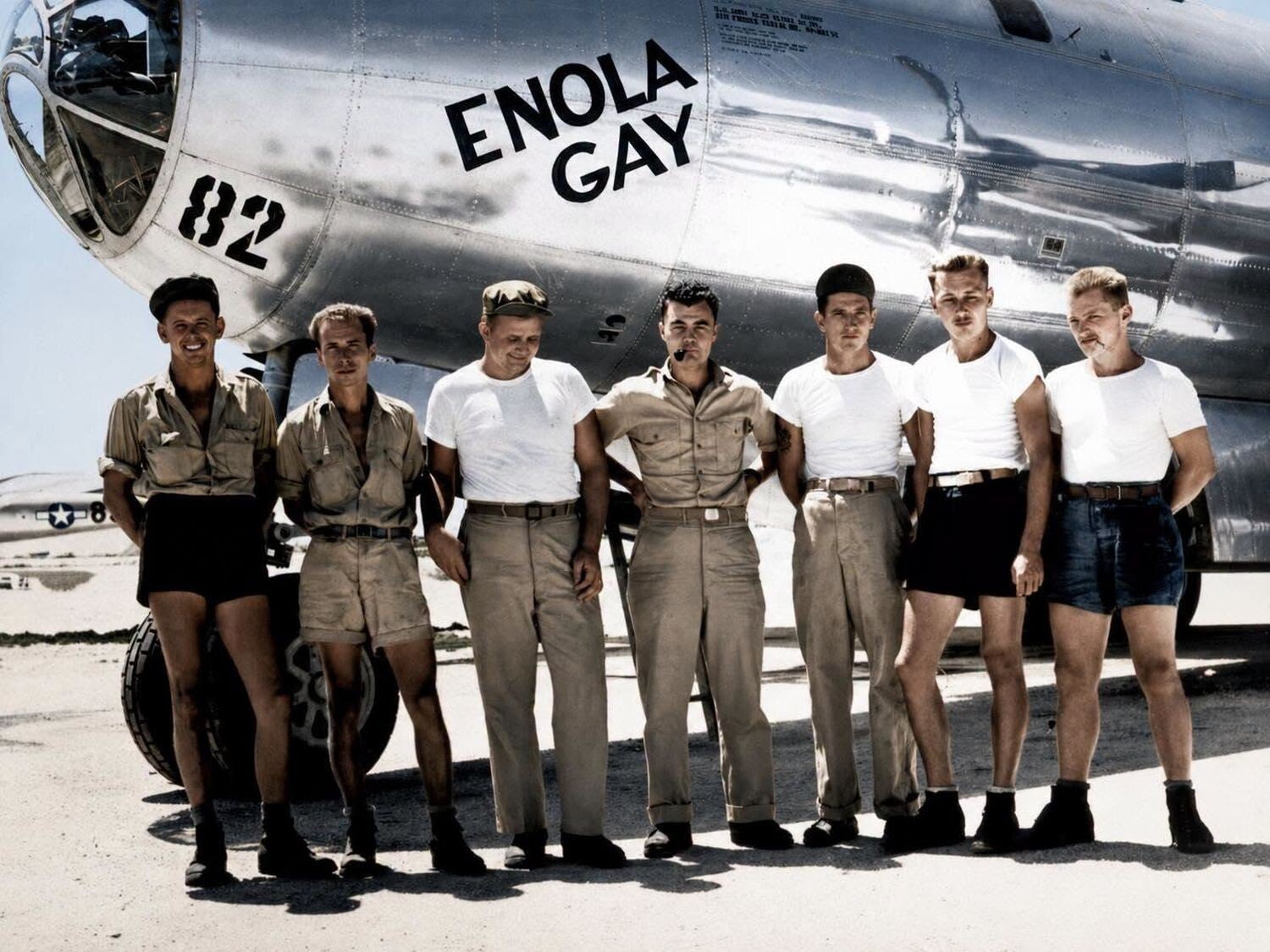
The crew of the Enola Gay. On August 6, 1945, the crew of the B-29 Enola Gay flew a mission that forever changed warfare and the course of human history. Behind them stood aircraft No. 82—the bomber that carried the atomic bomb Little Boy from Tinian to Hiroshima.
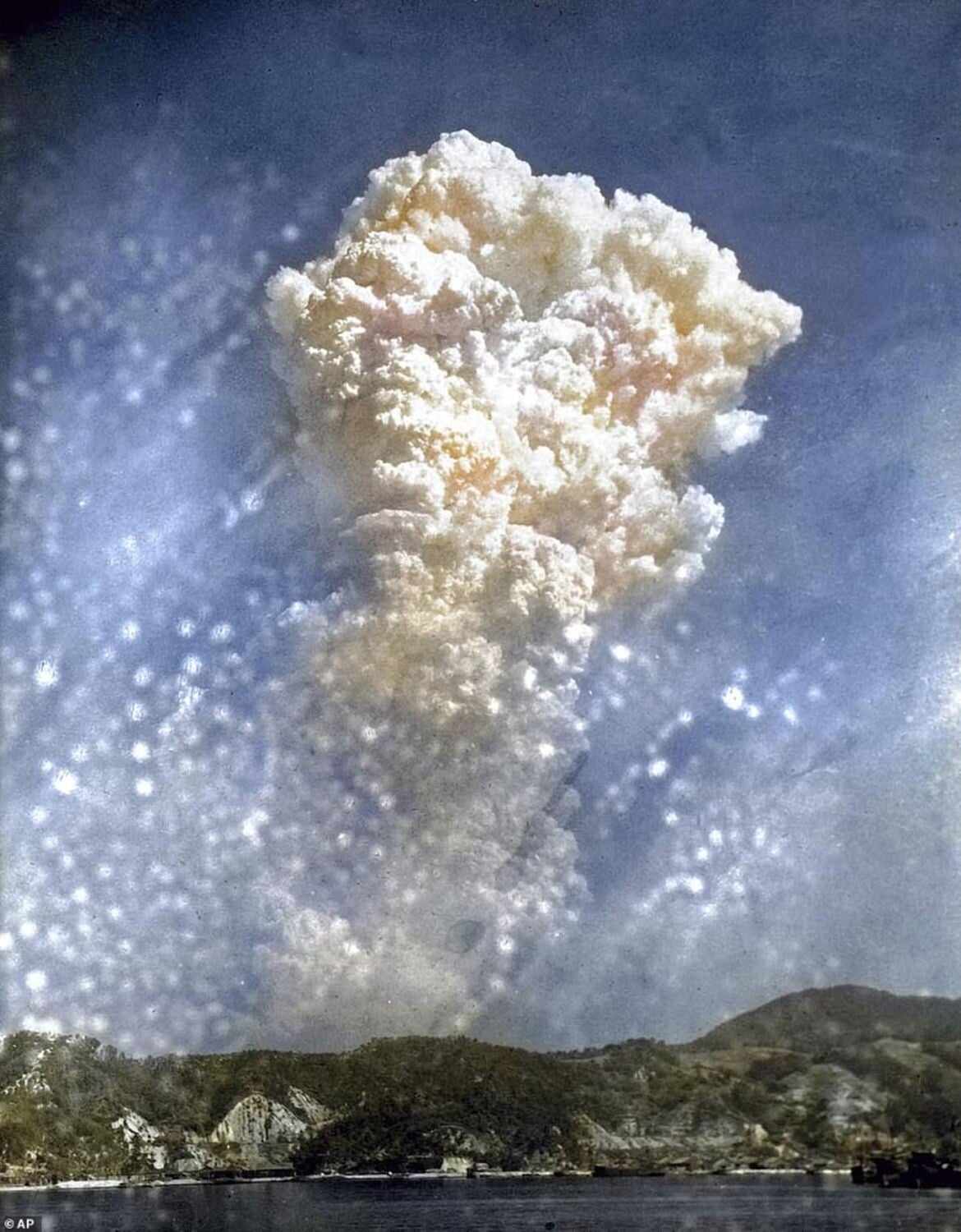
Smoke rises around 20,000 feet above Hiroshima after the first atomic bomb was dropped on the city by the United States on August 6, 1945. 'Little Boy' - the first nuclear weapon used in war - was dropped on the city, killing between between 90,000 and 146,000 people.
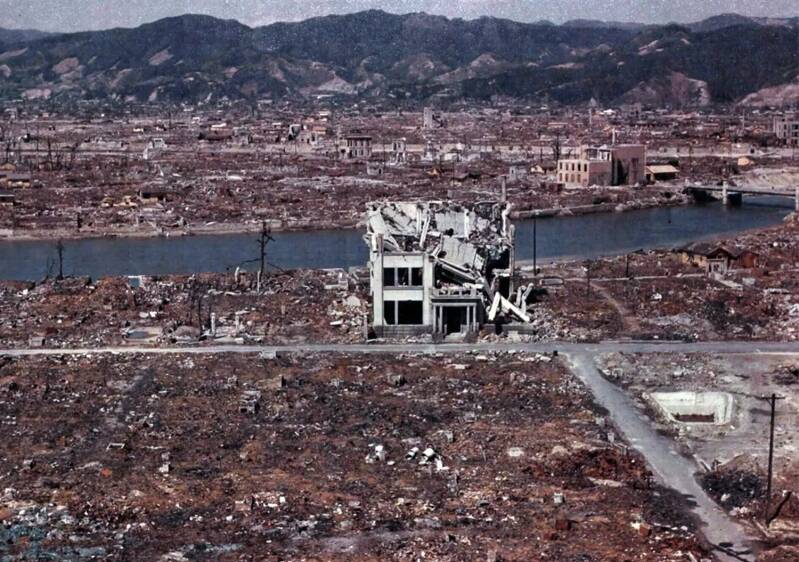
Hiroshima in March 1946 shows a city largely cleared of debris only months after the atomic bombing. Roads are visible and orderly, indicating extensive cleanup, and no bodies remain. A few reinforced concrete structures stand amid vast emptiness, highlighting how little survived the blast. The scene reflects both the scale of destruction and the early efforts to stabilise and rebuild a devastated urban landscape.
https://blog.nuclearsecrecy.com/2013/03/22/hiroshima-and-nagasaki-in-color/