Horror at Kyiv
The massacre at Babi Yar, carried out on the outskirts of Kyiv in late September 1941, stands as one of the most devastating single atrocities of the Holocaust.
After the German occupation of the city, the Nazi leadership—supported by SS units, Einsatzgruppe C, Ordnungspolizei battalions, and local collaborators—moved swiftly to eliminate Kyiv’s Jewish population.
Under the pretext of “resettlement,” posters ordered all Jews to assemble with documents, valuables, and warm clothing. Thousands obeyed, unaware that the operation had already been planned as a mass execution.
Over two days, 29–30 September 1941, more than 33,000 Jewish men, women, and children were murdered. Victims were driven through a series of checkpoints, forced to surrender their belongings, and marched toward the ravine.
There, in a tightly controlled killing process, they were compelled to undress and move in groups toward the edge. Machine‑gun teams carried out the executions with chilling efficiency. The bodies fell into the ravine, layer upon layer, as the killing continued without pause.
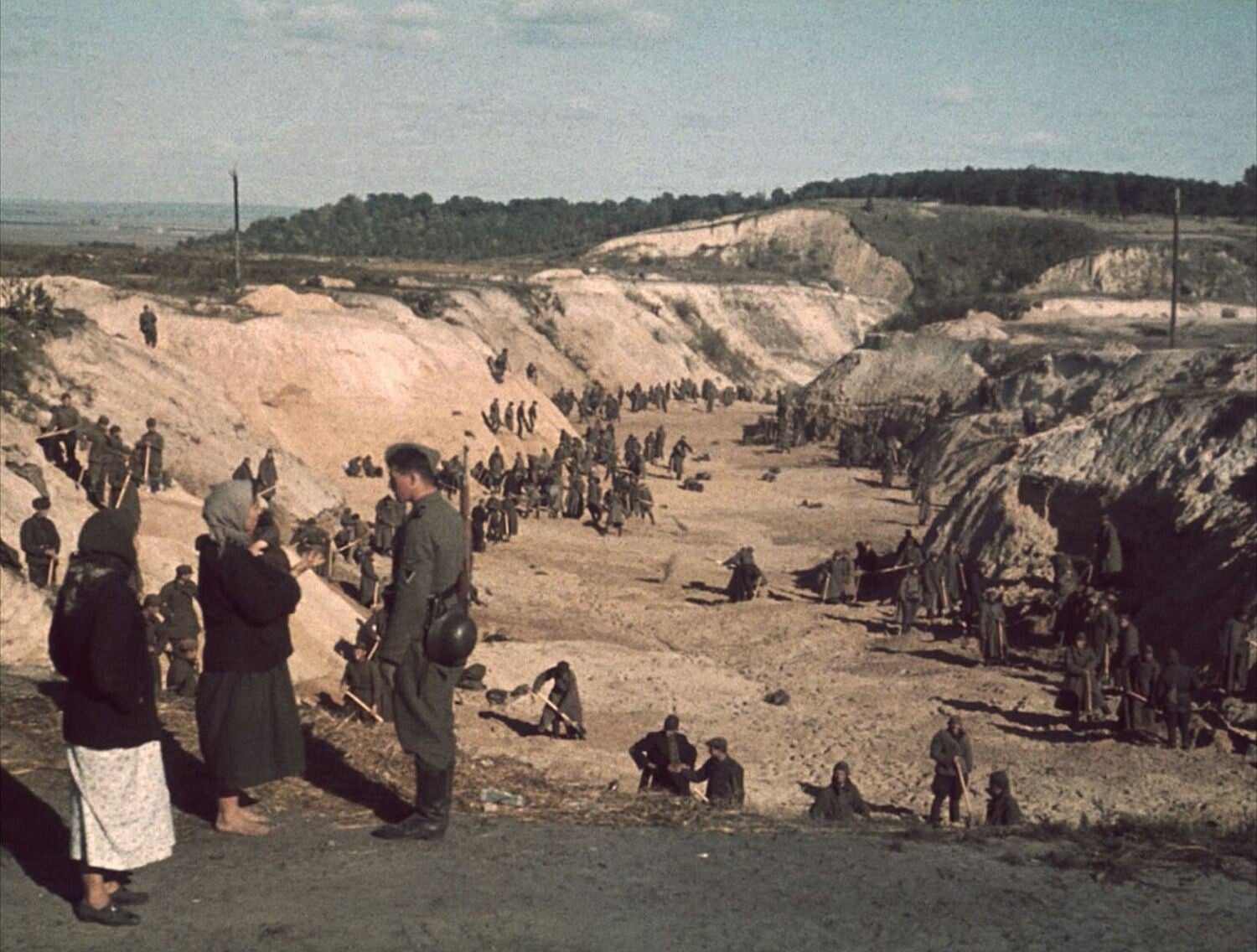
Soviet POWs covering a mass grave after the Babi Yar massacre, October 1, 1941.
The massacre did not end with those two days. Babi Yar became a recurring site of murder throughout the occupation.
Tens of thousands more were killed there: Roma families, Soviet prisoners of war, psychiatric patients from local hospitals, Ukrainian nationalists, and other civilians targeted by Nazi racial and political policies. By 1943, the death toll at Babi Yar had risen to well over 100,000.
As the Red Army approached, the Nazis attempted to erase the evidence. Prisoners from Syrets camp were forced to exhume and burn the bodies before being executed themselves.
Yet the truth endured. Babi Yar remains a stark symbol of the Holocaust’s industrialised cruelty—an open wound in European memory, and a reminder of how swiftly human life can be destroyed when hatred is given power.
Background
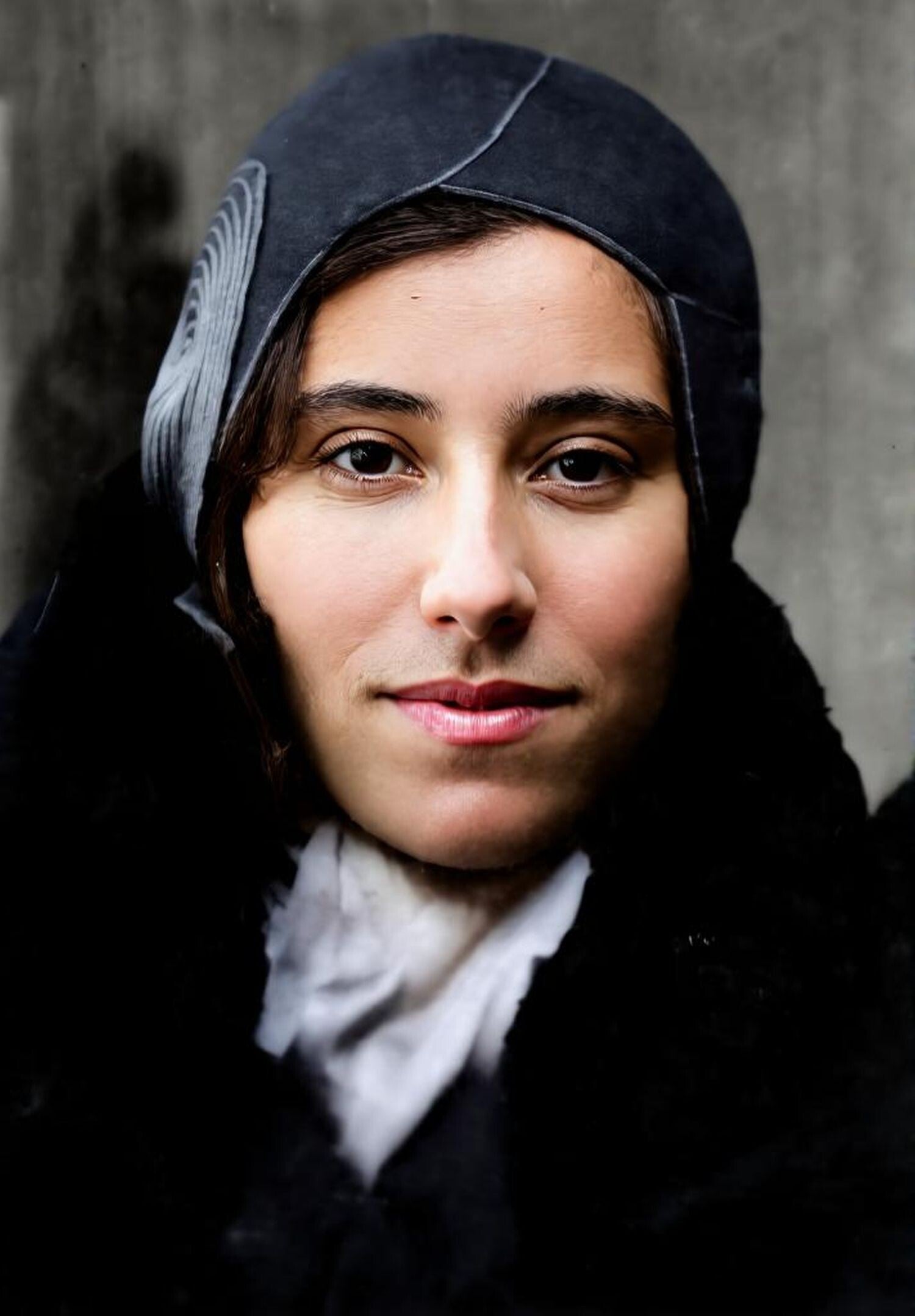
Beba Gomelskaya was born in Oster, Ukraine. She was murdered in September 1941 at Babi Yar.
https://wwv.yadvashem.org/yv/en/exhibitions/communities/kiev/babi-yar.asp
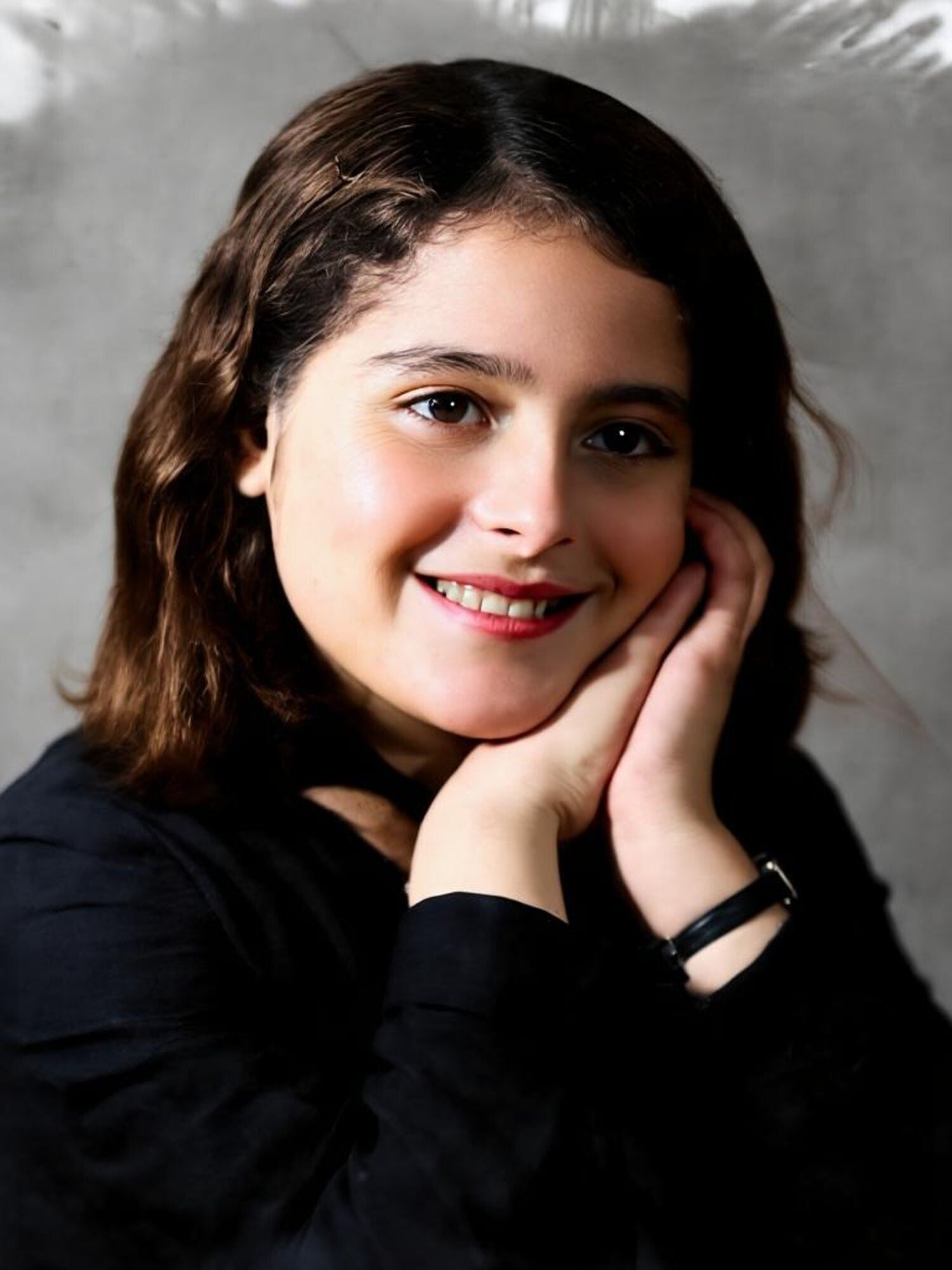
Anyuta Lifshitz was born in Kiev, Ukraine, in 1928. She was murdered in September 1941 at Babi Yar.
https://wwv.yadvashem.org/yv/en/exhibitions/communities/kiev/babi-yar.asp
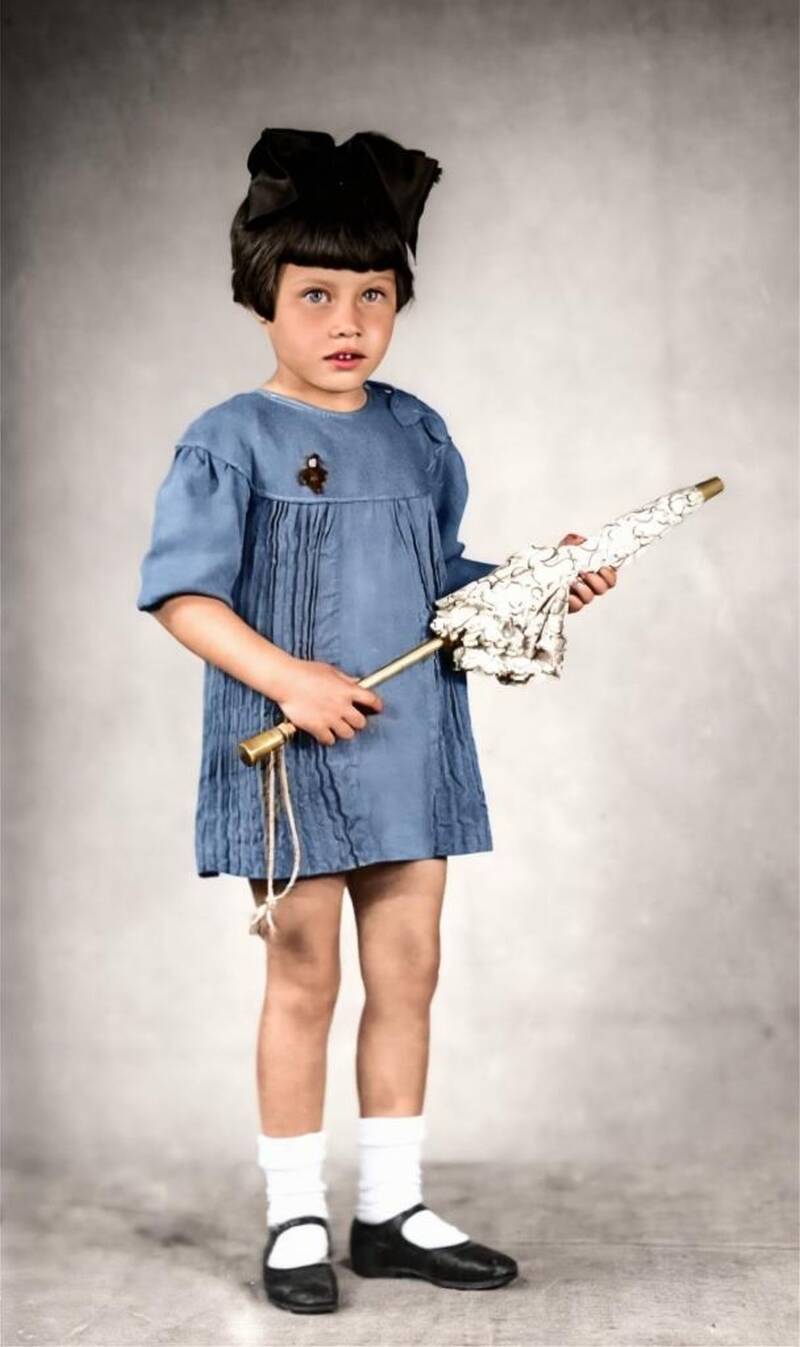
Portrait of five-year-old Mania Halef, a Jewish child, who was later killed during the mass execution at Babi Yar.
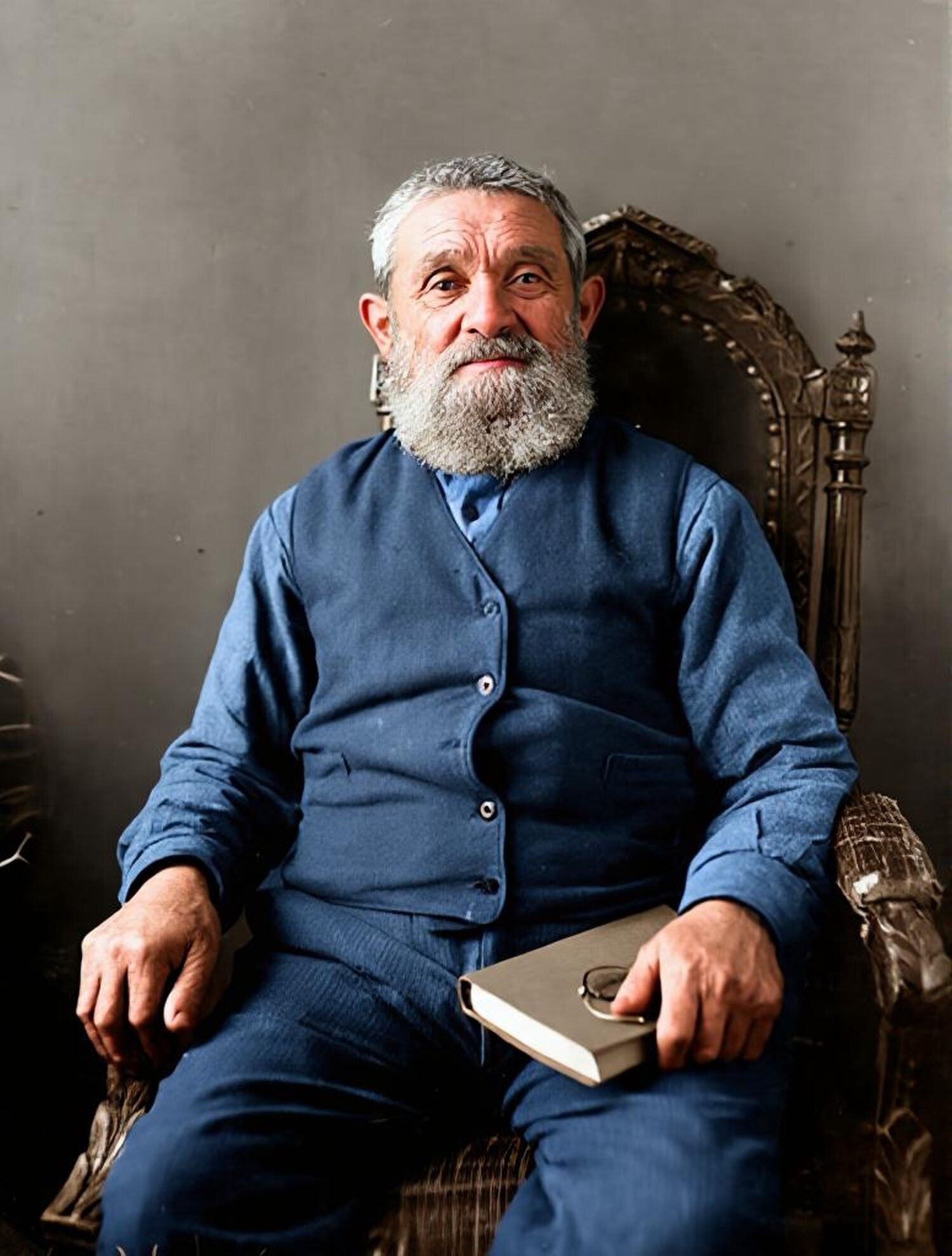
Duvid Voskoboinik was born in Ryzhanovka, Ukraine, in 1870. He was murdered in 1941 at Babi Yar.
https://wwv.yadvashem.org/yv/en/exhibitions/communities/kiev/babi-yar.asp