Overview
The day of 14 July opened in brilliant calm over southern England, a clarity that invited both reconnaissance and destruction. Through the morning the Luftwaffe’s activity remained scattered: isolated probing flights, small bomber formations, and a persistent focus on the Channel convoys that sustained Britain. When a lone Dornier Do 17 from 4.(F)/121 approached a convoy near Manston under heavy fighter escort, No. 65 Squadron’s Spitfires rose from Biggin Hill and broke the formation apart with precision, downing one Bf 109 and damaging several others. The convoy passed unharmed.
The decisive clash came that afternoon. Convoy CW 6, code‑named Bread, was nearing Dover when more than forty Stuka dive‑bombers of II./LG 1, supported by fighters from JG 3, JG 51, and Bf 110s of ZG 26, swept across the Channel. Over twenty Dorniers of KG 2 followed. Radar gave early warning, and Hurricanes and Spitfires from Nos. 151, 615, and 610 Squadrons scrambled to meet them.
The sky above Dover erupted into a chaotic battle of more than a hundred aircraft. RAF pilots claimed several Stukas and Messerschmitts destroyed, but the cost was heavy: Pilot Officer Michael Robert Mudie of No. 615 Squadron was shot down by Hauptmann Horst Tietzen. Rescued from the sea, he died of his wounds the next day. The convoy suffered too: Island Queen was sunk, while Balder, Mons, and a naval trawler were badly damaged. BBC reporter Charles Gardner’s live broadcast from the cliffs captured the drama and controversy of the moment.
As the afternoon wore on, cloud over France curtailed further large‑scale attacks, though scattered raids continued. Anti‑aircraft guns downed a Ju 88; RAF squadrons claimed additional victories over eastern England. After nightfall, Heinkel bombers struck Bristol’s industrial sites, while smaller raids brushed Kent, Suffolk, and the Isle of Wight. Minelayers prowled the estuaries, and incendiaries fell over County Durham, causing fires but no casualties. Britain endured another day of relentless pressure, its defences strained yet intact.
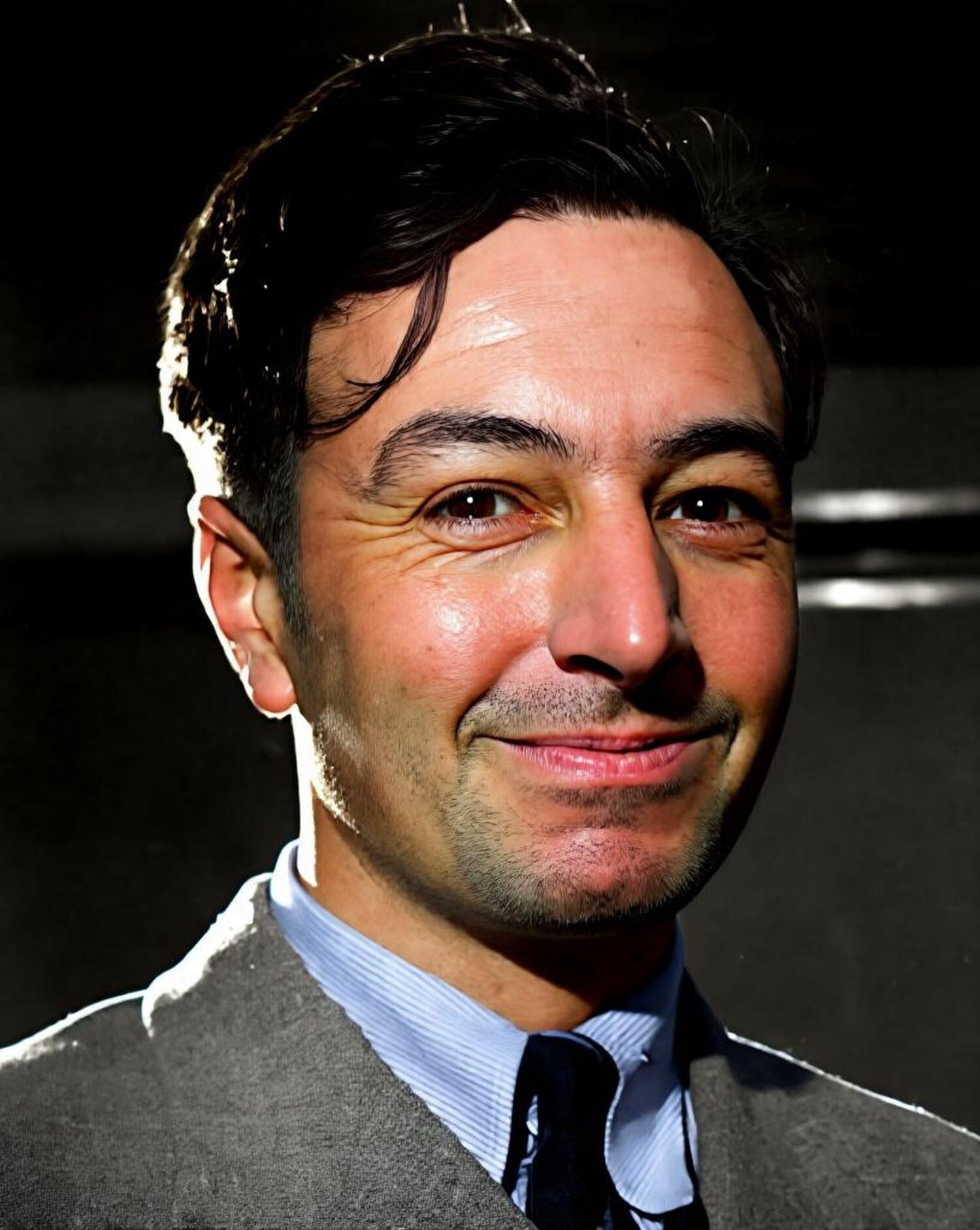
BBC Journalist, Charles Gardner
BBC - History of the BBC, Charles Gardener - Battle over Channel 1940