Overview
Coco Chanel, born Gabrielle Bonheur Chanel in 1883, was one of the most influential figures in twentieth‑century fashion, known for redefining women’s clothing through simplicity, practicality, and modern elegance. By the late 1930s, the House of Chanel was already a dominant force in haute couture, and Chanel herself had become a symbol of French luxury. Yet her life during the Second World War remains one of the most controversial chapters in her biography.
When Germany occupied Paris in June 1940, Chanel closed her fashion house, claiming wartime austerity made couture inappropriate. She continued to live at the Hôtel Ritz, which had become a residence for senior German officers. During this period, she entered into a relationship with Baron Hans Günther von Dincklage, a German intelligence operative. Through him, Chanel became entangled—willingly or otherwise—in the political and intelligence networks of the occupation.
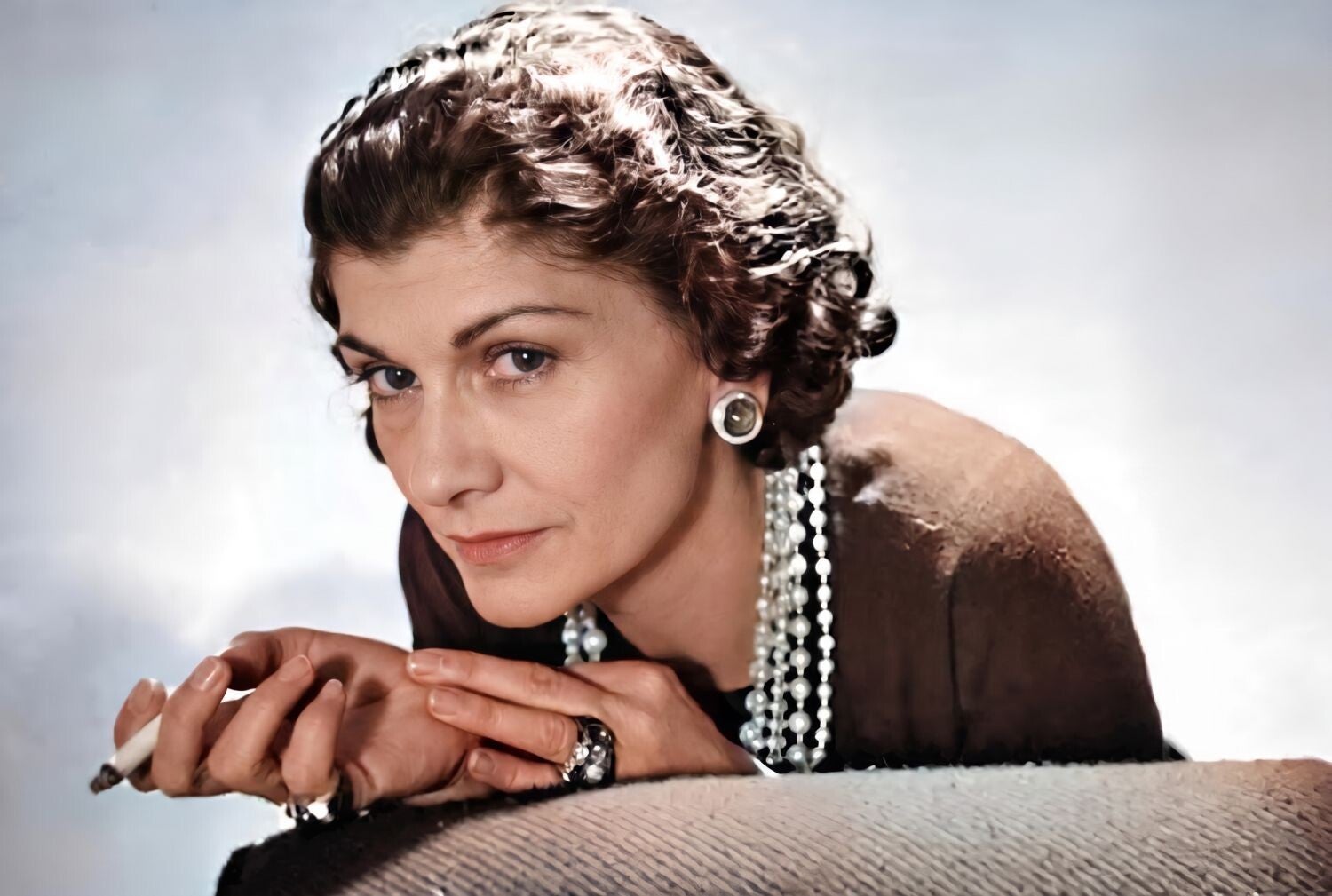
Coco Chanel maintained relationships with Abwehr agents during the German occupation of Paris, benefiting from Nazi policies while engaging in limited, often opportunistic collaboration.
Documents released after the war indicate that Chanel was registered as an agent of Abwehr intelligence under the codename “Westminster,” a reference to her earlier relationship with the Duke of Westminster. Her most notable involvement was Operation Modellhut in 1943, an unsuccessful German attempt to use her social connections to open back‑channel negotiations with British officials. Chanel’s motivations remain debated: opportunism, personal loyalty, anti‑communism, and a desire to regain control of her perfume business have all been cited.
After the liberation of Paris in 1944, Chanel was briefly questioned by French authorities but not prosecuted. Some historians argue that her connections to powerful figures, including Winston Churchill, contributed to her avoidance of formal charges. She left France for Switzerland, returning to the fashion world only in 1954.
Chanel’s wartime record remains a complex and uncomfortable part of her legacy—an intersection of personal ambition, political ambiguity, and the moral compromises of occupied France.
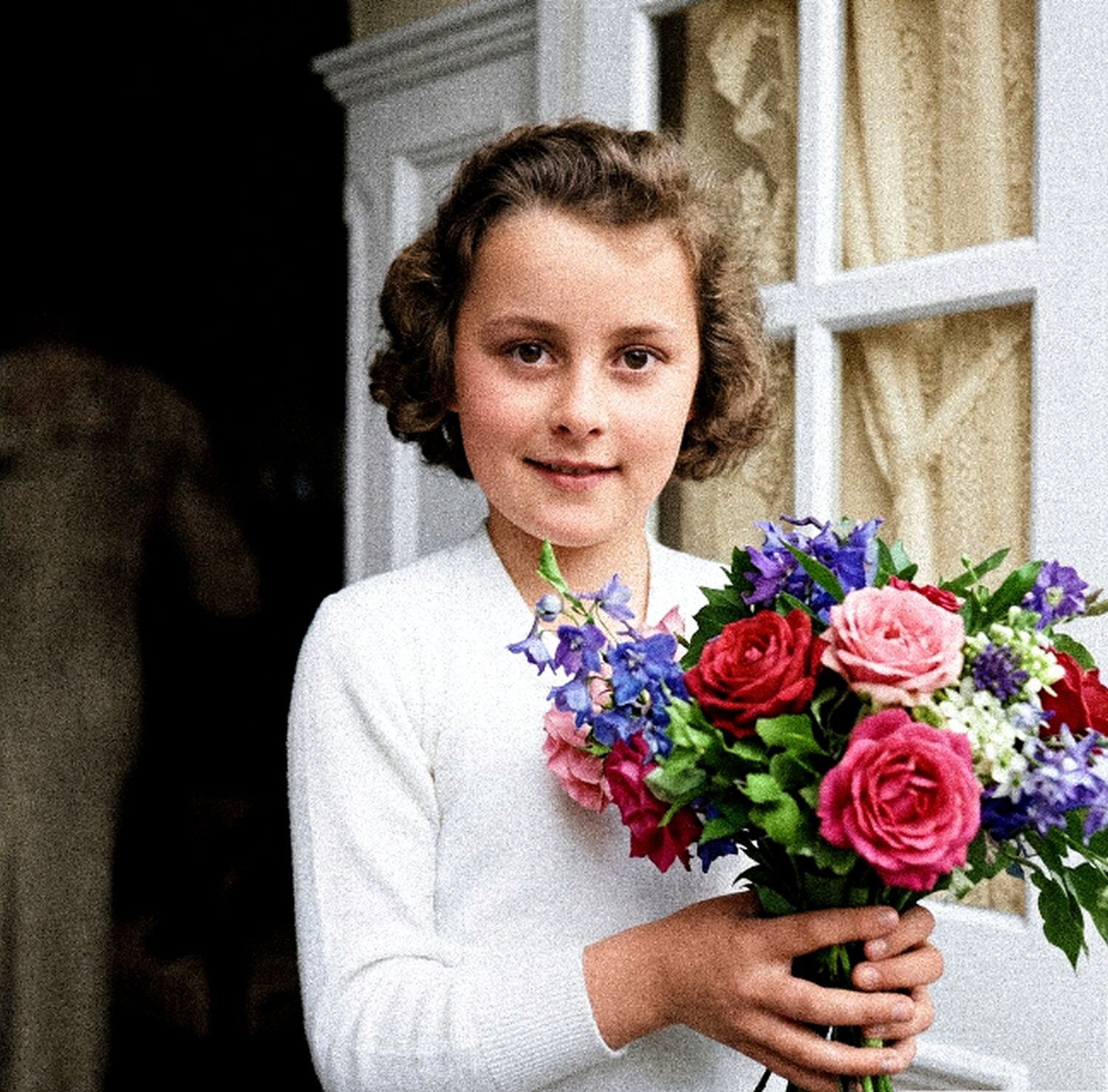
A young Gabrielle Chanel. Photo by anonymous (date unknown).
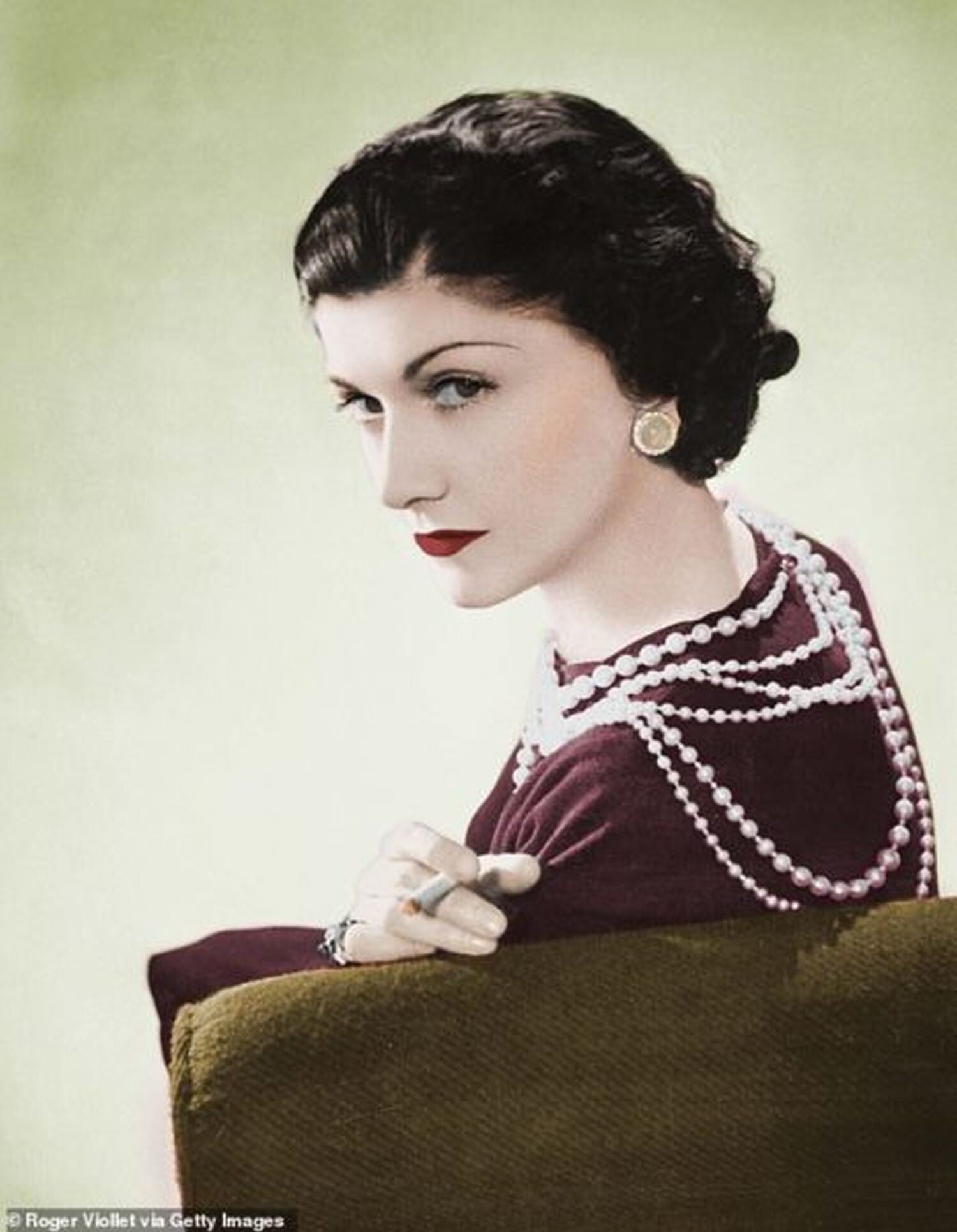
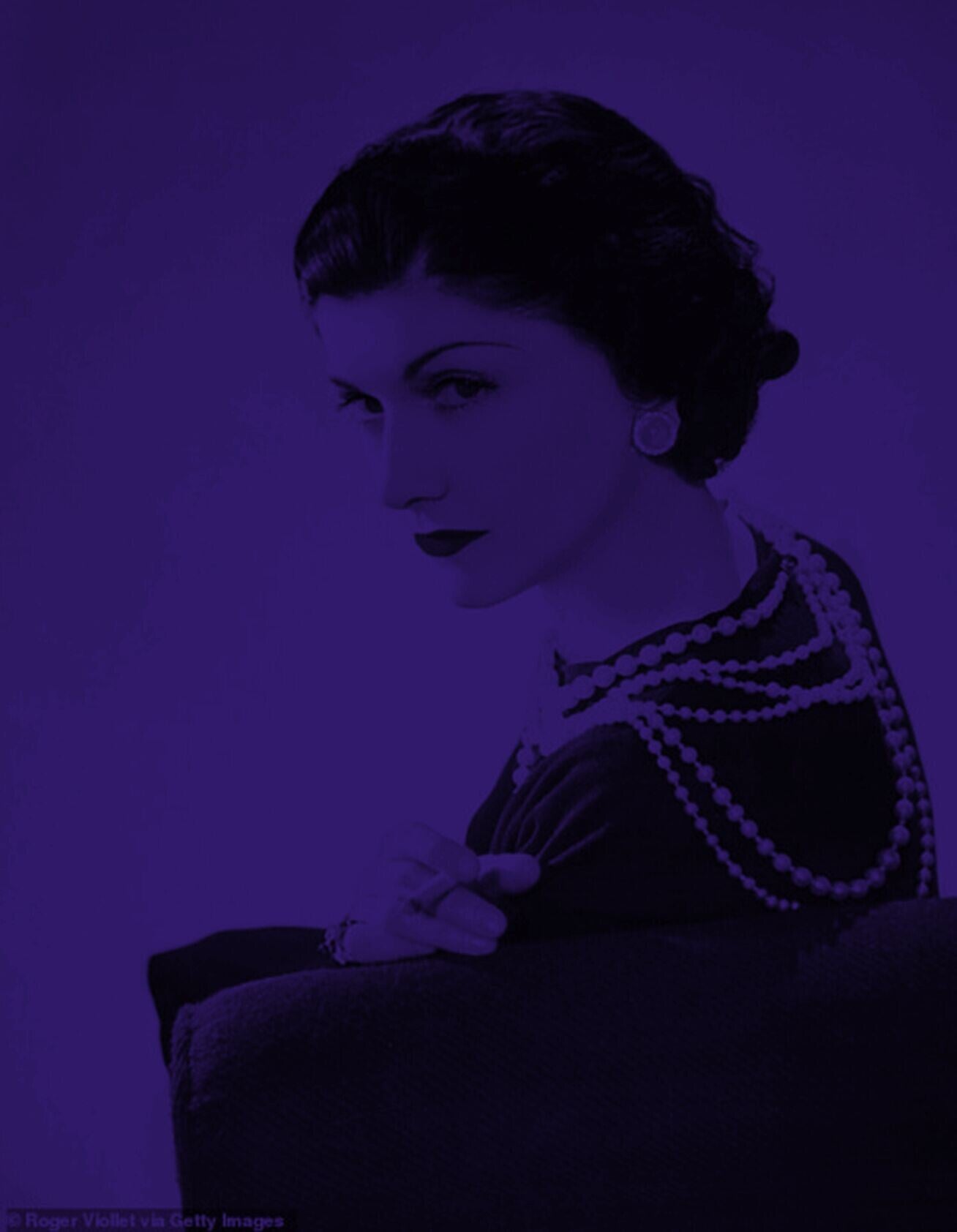
Coco Chanel and her string of pearls. Photo by anonymous.
Further Reading

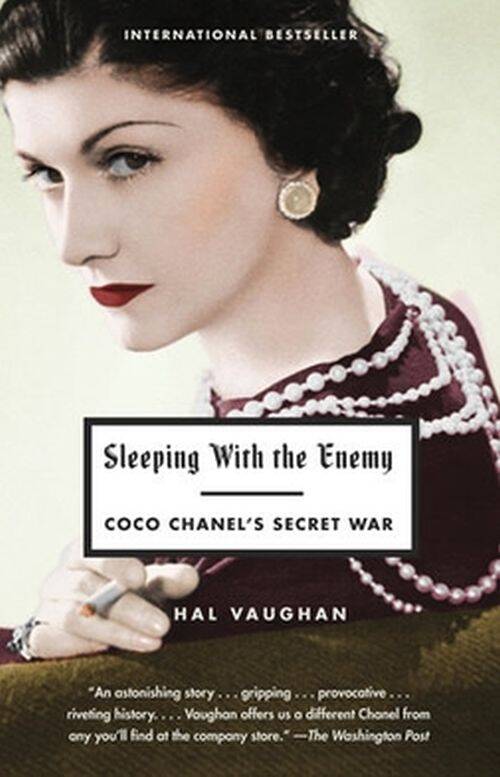
Hal Vaughan’s Sleeping with the Enemy: Coco Chanel’s Secret War offers a stark, meticulously researched account of Chanel’s rise from poverty to global fashion influence while exposing the depth of her wartime collaboration. Drawing on intelligence archives, Vaughan demonstrates that Chanel’s involvement with the Sicherheitsdienst went far beyond a romantic liaison, revealing active participation in Nazi operations. The book reframes her legacy, presenting a compelling, unsettling portrait of ambition, opportunism, and moral compromise during the Second World War.