Overview
13 July 1940 opened under a blanket of coastal fog, the Channel reduced to a pale smear beyond the shore. As the haze lifted, German reconnaissance aircraft reappeared over the water, continuing the Luftwaffe’s pressure on Britain’s convoys in the intensifying Kanalkampf. Fighter Command was ready. Early radar contacts revealed small probing formations near the Isle of Wight. No. 501 Squadron intercepted first, destroying a Dornier west of Southampton. Minutes later, No. 43 Squadron brought down a He 111 over Spithead. These were small actions, but they signalled that the Luftwaffe’s morning patrols would not pass unchallenged.
By early afternoon, the fighting escalated. A force of Stukas from II./StG 1, escorted by Bf 110s of V.(Z)/LG 1, approached Portland in search of a convoy. Hurricanes of No. 238 Squadron and Spitfires of No. 609 Squadron struck first. The German formation broke into its defensive circle, but it offered little protection: a Bf 110 fell in flames, others limped home damaged, and two Stukas crash‑landed in France.
Later, Stukas and Bf 109s swept toward Dover and a southbound convoy. No. 64 Squadron engaged the escorts while anti‑aircraft guns hammered the bombers. The harbour was shaken by near‑misses, but the convoy survived. The fiercest combat came near Calais as Convoy CW 5 was attacked by Ju 87s of StG 1 with heavy fighter cover. No. 56 Squadron’s Hurricanes and No. 54 Squadron’s Spitfires tore into the formation, downing Stukas and Bf 109s, though suffering losses of their own. HMS Vanessa was damaged by near‑misses but saved.
Scattered raids continued along the east coast and into Scotland, while nightfall brought only minor activity. By day’s end, the pattern was unmistakable: the Kanalkampf was tightening, the strain rising, and the Battle of Britain drawing ever closer.
Kanalkampf
Kanalkampf marked the uneasy overture to the Battle of Britain, a phase defined less by grand strategy than by relentless pressure.
Beginning in July 1940, the Luftwaffe turned its attention to the Channel, where Britain’s coastal convoys—slow, exposed, and essential—became the first battleground of Hitler’s air offensive.
The aim was twofold: to choke Britain’s maritime lifelines and to draw RAF Fighter Command into combat on terms favourable to German pilots.
What unfolded was a grinding contest of endurance, fought in narrow sea lanes and along the southern coast.
...possessed significant numerical. strength..
The wider picture was one of profound imbalance. Germany, triumphant on the continent, possessed significant numerical strength and the initiative.
Britain, isolated and still reeling from the collapse of France, was rebuilding its defences at speed.
The RAF’s integrated air defence system—radar, observer corps, and sector control—was functioning, but the strain on pilots and ground crews was already evident.
Aircraft production was rising, yet every loss felt significant.

Victorious German troops hold a parade after the surrender of France in June 1940. The Fall of France created the strategic conditions that led directly to the Kanalkampf. With the French coastline now in German hands, the Luftwaffe gained forward bases along the Channel, enabling sustained attacks on British shipping. The Kanalkampf, beginning in July 1940, marked the opening phase of the air war against Britain, a prelude to the wider Battle of Britain that followed.
http://www.baldwinbattlefieldtours.com/ Royston Colour
...was testing British reactions...
The Luftwaffe, meanwhile, was testing British reactions, probing for weaknesses, and refining its own tactics after the rapid campaigns in the Low Countries and France.
By the early part of July 1940, the pattern of Kanalkampf was beginning to become established.
Allied convoys such as Bread, Pilot, and Booty would find themselves repeatedly receiving unwelcome attention from the Luftwaffe.
Stukas and bombers struck at ships and ports, while Bf 109s roamed aggressively over the Channel.
RAF squadrons scrambled constantly, often fighting at a disadvantage over water where downed pilots were easily lost.
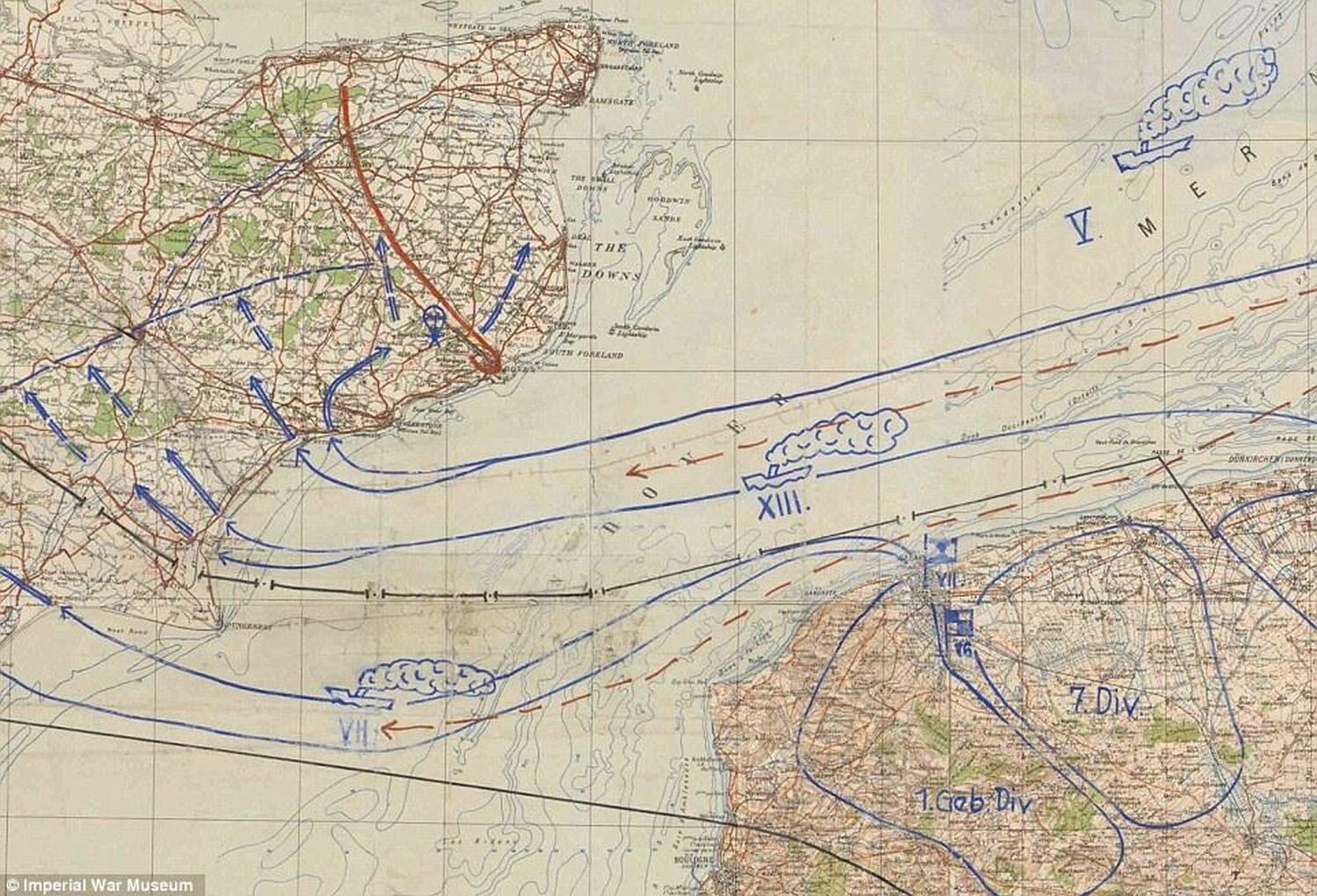
A German map from 1940-41 of plans for Operation Sealion - the invasion of Britain. In addition to German forces and planned invasion routes, the planner also drew cartoon ships steaming across the English Channel and a stick figure paratrooper over Kent. The Fall of France in June 1940 placed the entire Channel coast under German control, enabling the Luftwaffe to operate from airfields only minutes from Britain. This directly shaped the Kanalkampf, the opening phase of the air war, as German attacks on Channel shipping tested RAF readiness. The Kanalkampf became the necessary prelude to Unternehmen Seelöwe (Operation Sea Lion), whose success depended on achieving air superiority.
...the cumulative tension...
The day itself would reflect the cumulative tension of the period: scattered engagements, damaged shipping, and the steady attrition that both sides hoped would erode the other’s resolve.
Britain’s situation remained precarious but not hopeless.
The nation was adapting, its defences tightening, and its determination hardening. Kanalkampf had not broken Fighter Command; instead, it revealed that the coming battle would be far longer and far more demanding than the Luftwaffe had anticipated.
13th July
Saturday, 13 July 1940: The day began shrouded in coastal fog. At first light, the English Channel was little more than a pale smear beyond the southern shore, the mist clinging stubbornly to headlands and harbours.
By mid-morning the haze lifted, revealing the familiar flash of movement over the water: German reconnaissance aircraft hunting the shipping lanes.
The Luftwaffe was still hammering at Britain’s coastal lifelines, probing for weakness in the Kanalkampf – the battle for the Channel convoys.
The RAF was waiting.
...testing the defences...
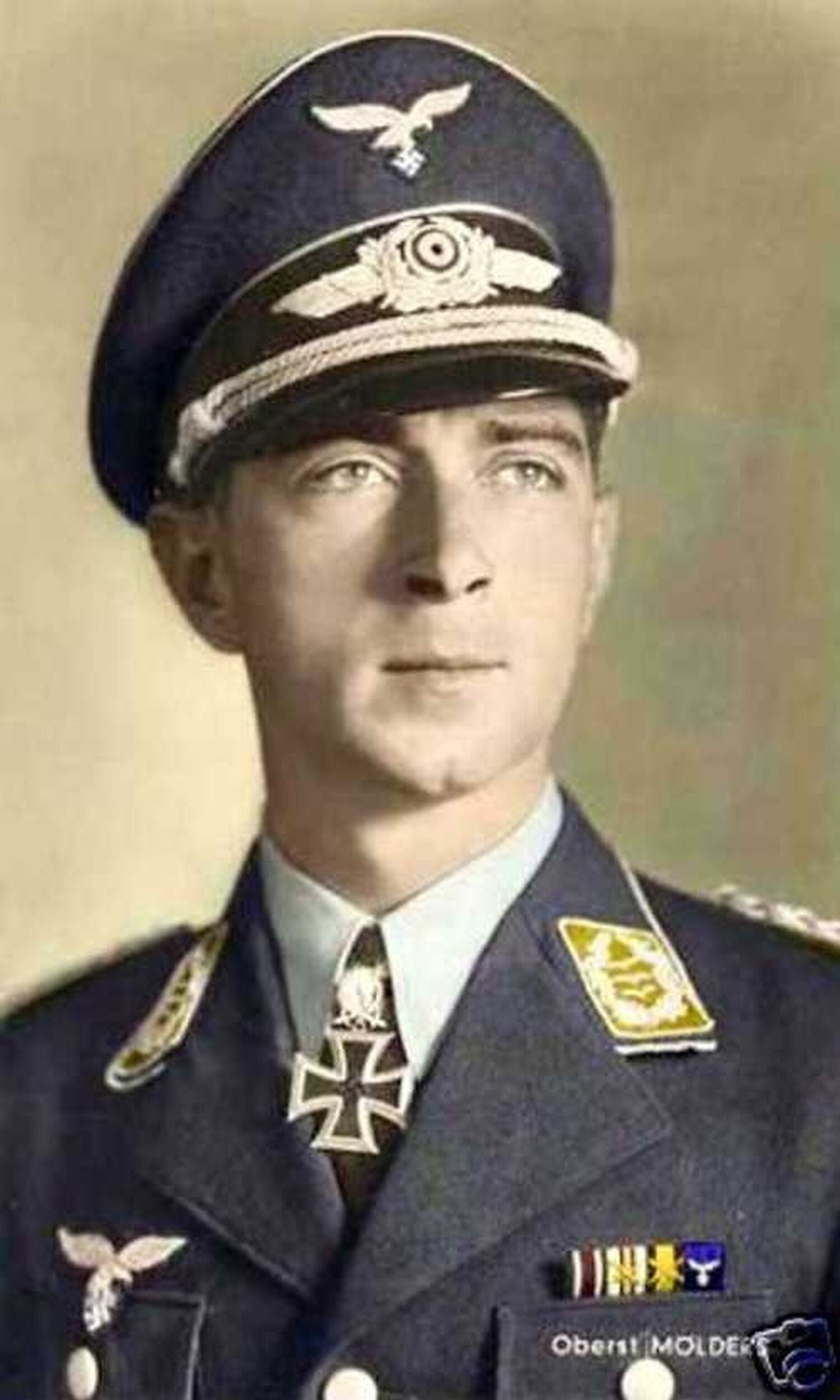
Major Werner Molders, commander of JG 51 which saw action over the English channel on the 13th July 1940.
https://www.ww2incolor.com/gallery/colorizations/24468/werner-molders-in-color
The first radar contacts came early.
Two small Luftwaffe formations edged towards the Isle of Wight, testing the defences.
Low cloud and intermittent haze hid their movements, but No. 501 Squadron’s Hurricanes found one group west of Southampton.
In minutes, a Dornier Do 17 was burning in the sky, breaking apart before crashing into the sea. At 11:14, another threat approached Spithead.
No. 43 Squadron’s Hurricanes from Tangmere pounced on a Heinkel He 111, tearing it apart.
Wreckage rained into the Channel, another raid broken before it could reach its target.
These were not decisive blows, but they were a sign: the Luftwaffe’s morning patrols would not go unopposed.
By early afternoon, the air war erupted into something larger.
Radar warnings and the death of Kennedy
Radar picked up a force of about 40 German aircraft approaching the Dorset coast – a mix of Ju 87 Stuka dive-bombers from II./StG 1 and Bf 110 heavy fighters from V.(Z)/LG 1.
Their target: a convoy moving off Portland.
But the Stukas never found it. As they searched, they were bounced by Hurricanes from No. 238 Squadron and Spitfires from No. 609 Squadron.
The Luftwaffe formation broke into the defensive “Abwehrkreis” circle, but it didn’t save them.
One Bf 110 fell in flames. Three more were badly shot up. Two Stukas never made it back across the Channel – one crash-landing near Cap Gris-Nez, the other at Noordpeene.
For the RAF, the fight came at a price.
No. 238 Squadron lost a Hurricane and its pilot, Flight Lieutenant J.C. Kennedy.
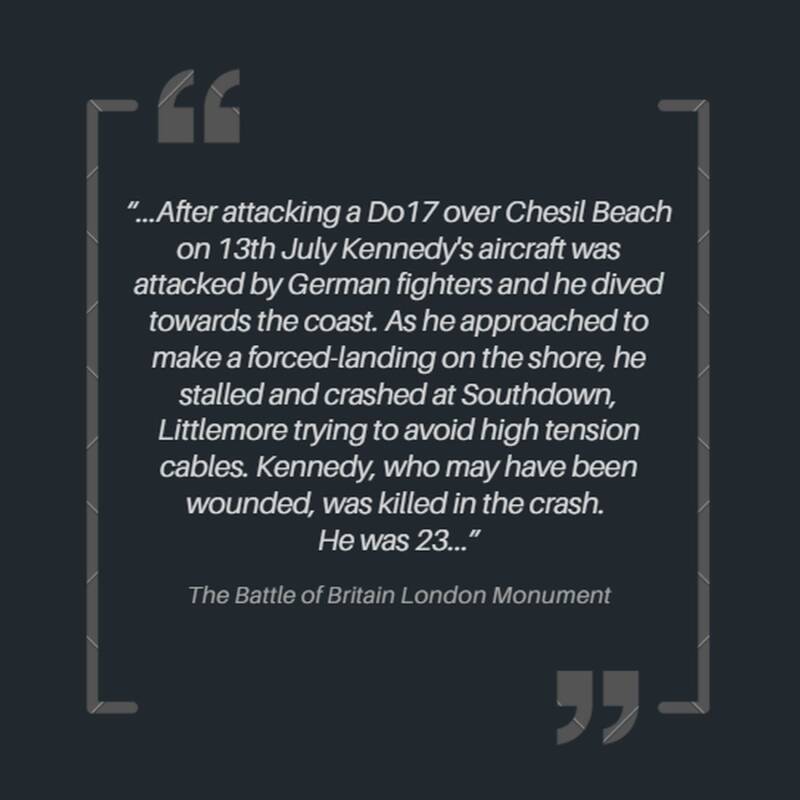
After attacking a Dornier over Chesil Beach, he was jumped by German fighters.
Diving for the coast, he tried to force-land near Littlemore but stalled avoiding power cables.
His aircraft smashed into the ground.
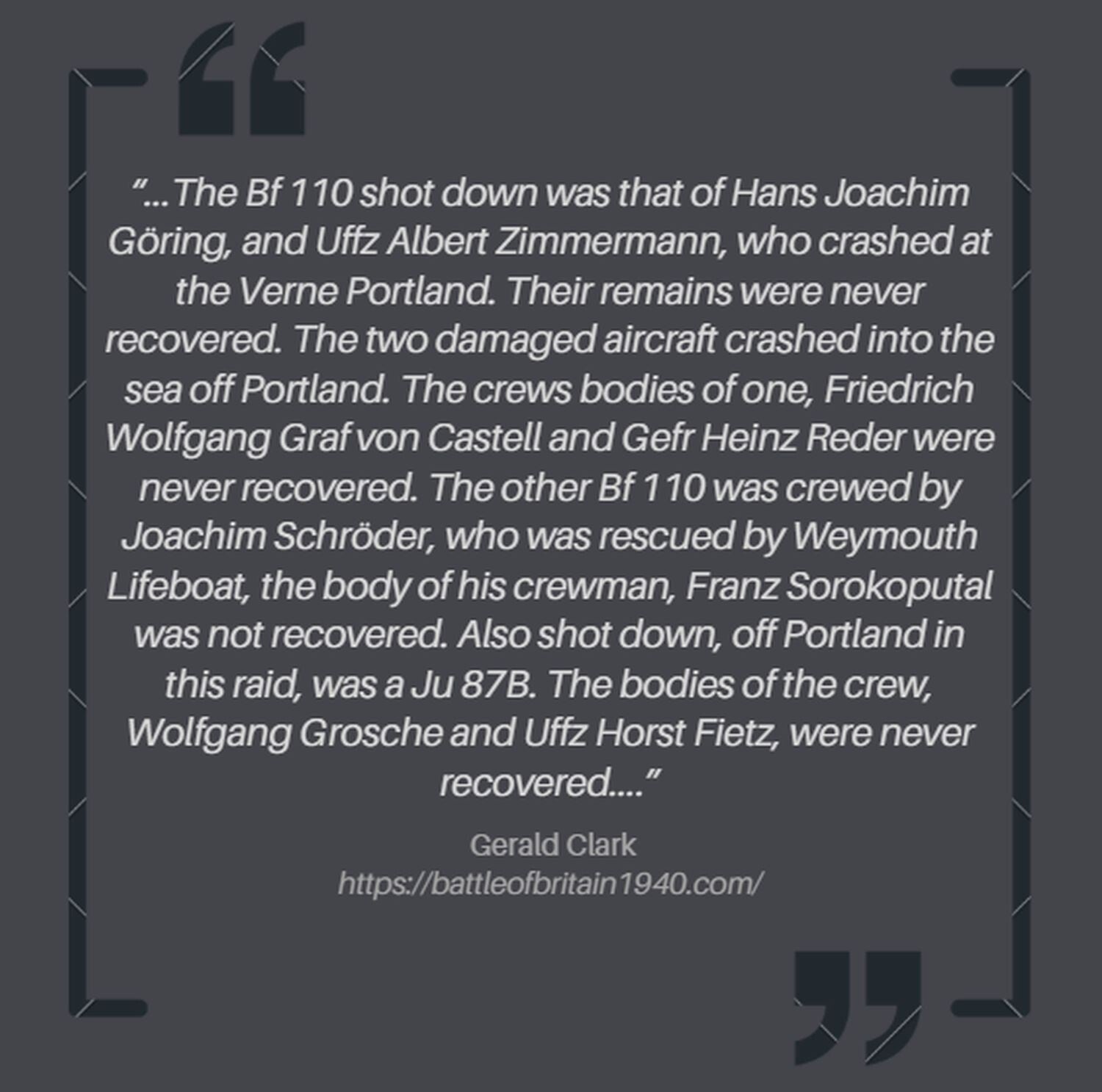
The battle marked the first significant use of bomb-carrying Bf 110s from V./LG 1 against British coastal shipping – a test run for heavier strikes to come.
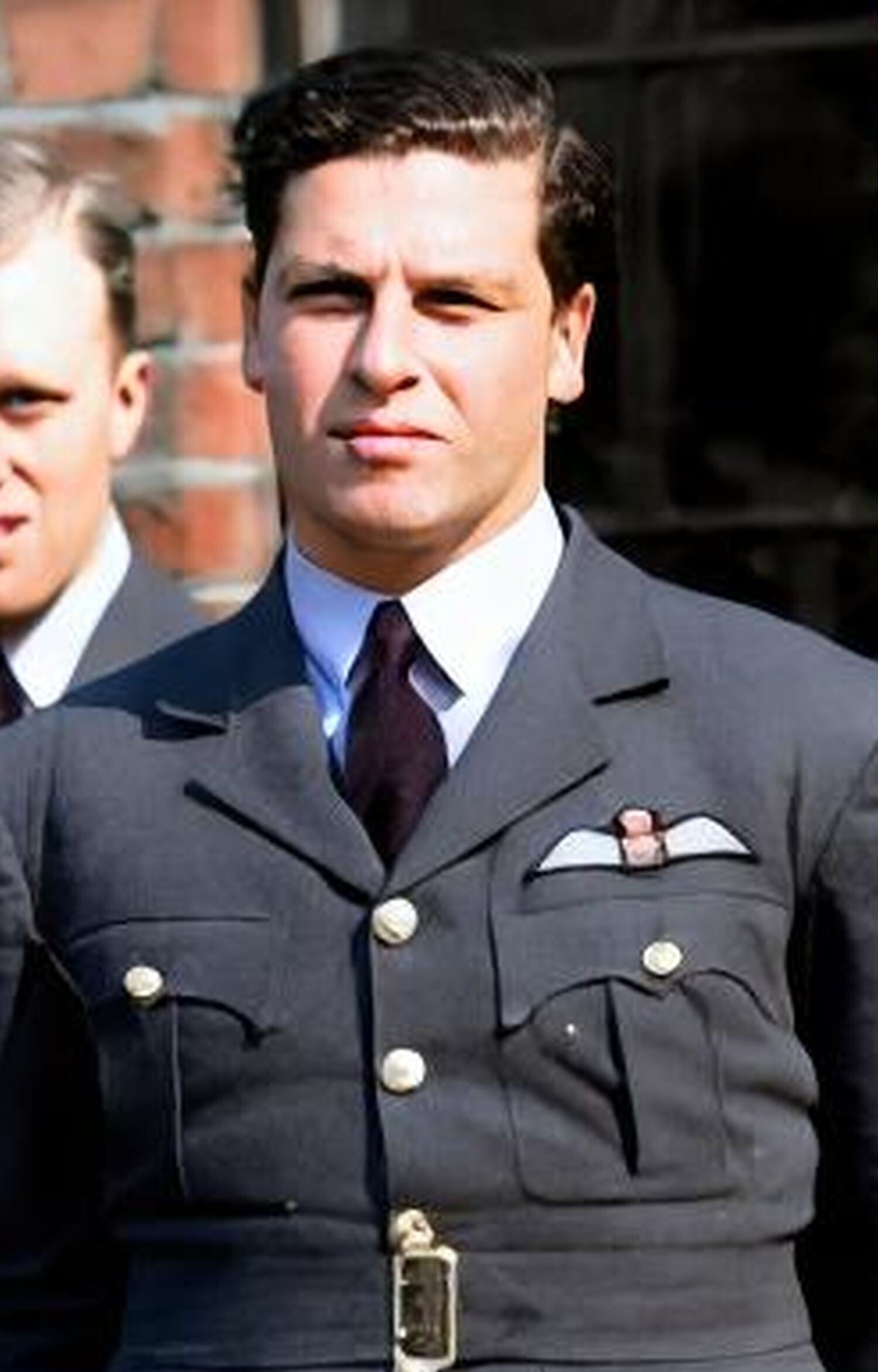
John Connelly Kennedy, an Australian‑born RAF fighter pilot, served with 65 and 238 Squadrons. On 13 July 1940, after attacking a Do17, he was engaged by German fighters. Attempting a forced landing, he stalled while avoiding power lines and crashed at Southdown, dying aged 23.
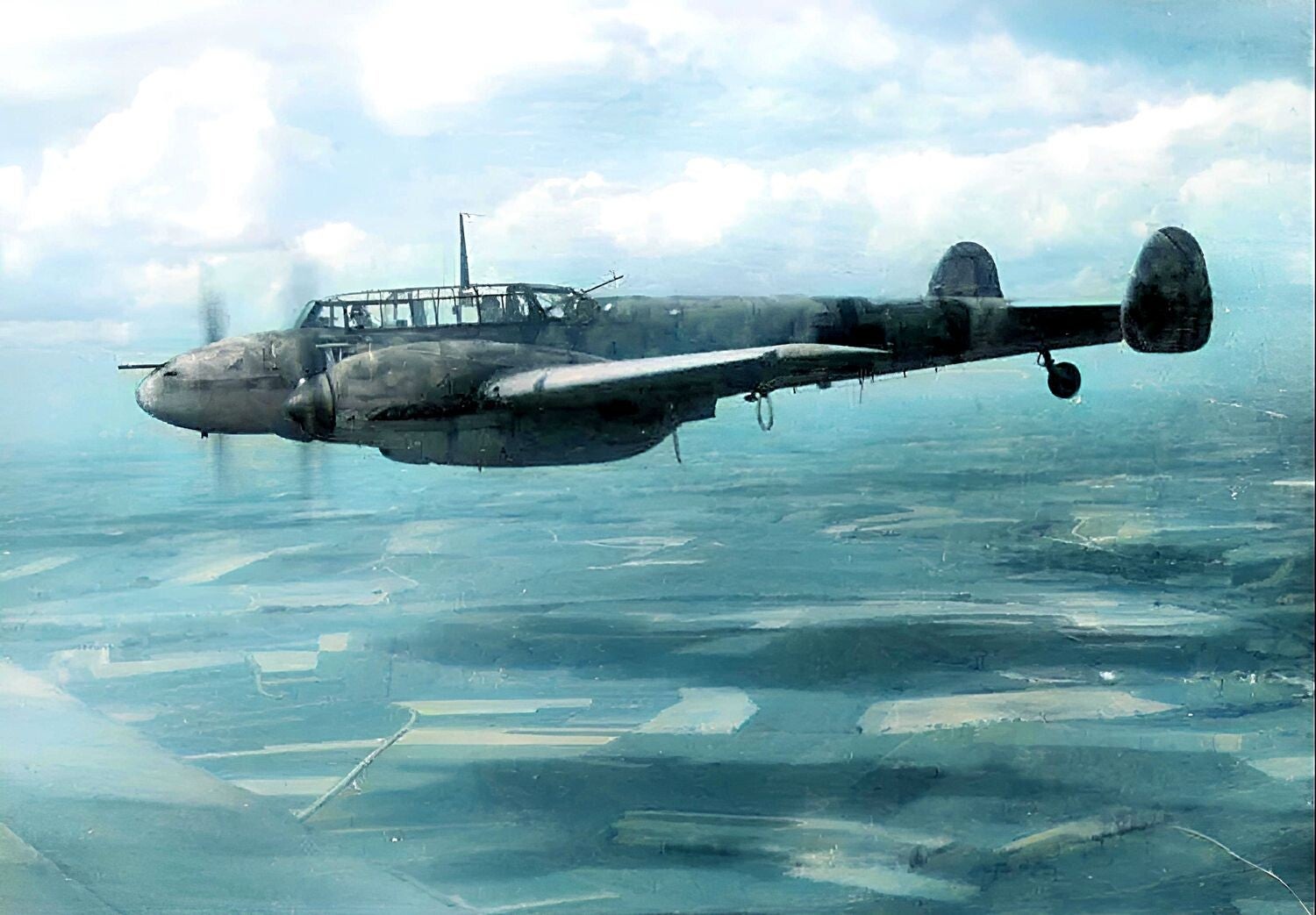
Messerschmitt Bf-110's saw action on the 13th July although they suffered at the hands (or wings) of the RAF, with one being shot down and several damaged. This day also saw the first use of the bomb carrying variants, adding an extra layer of menace to the aircraft.
Death in the afternoon
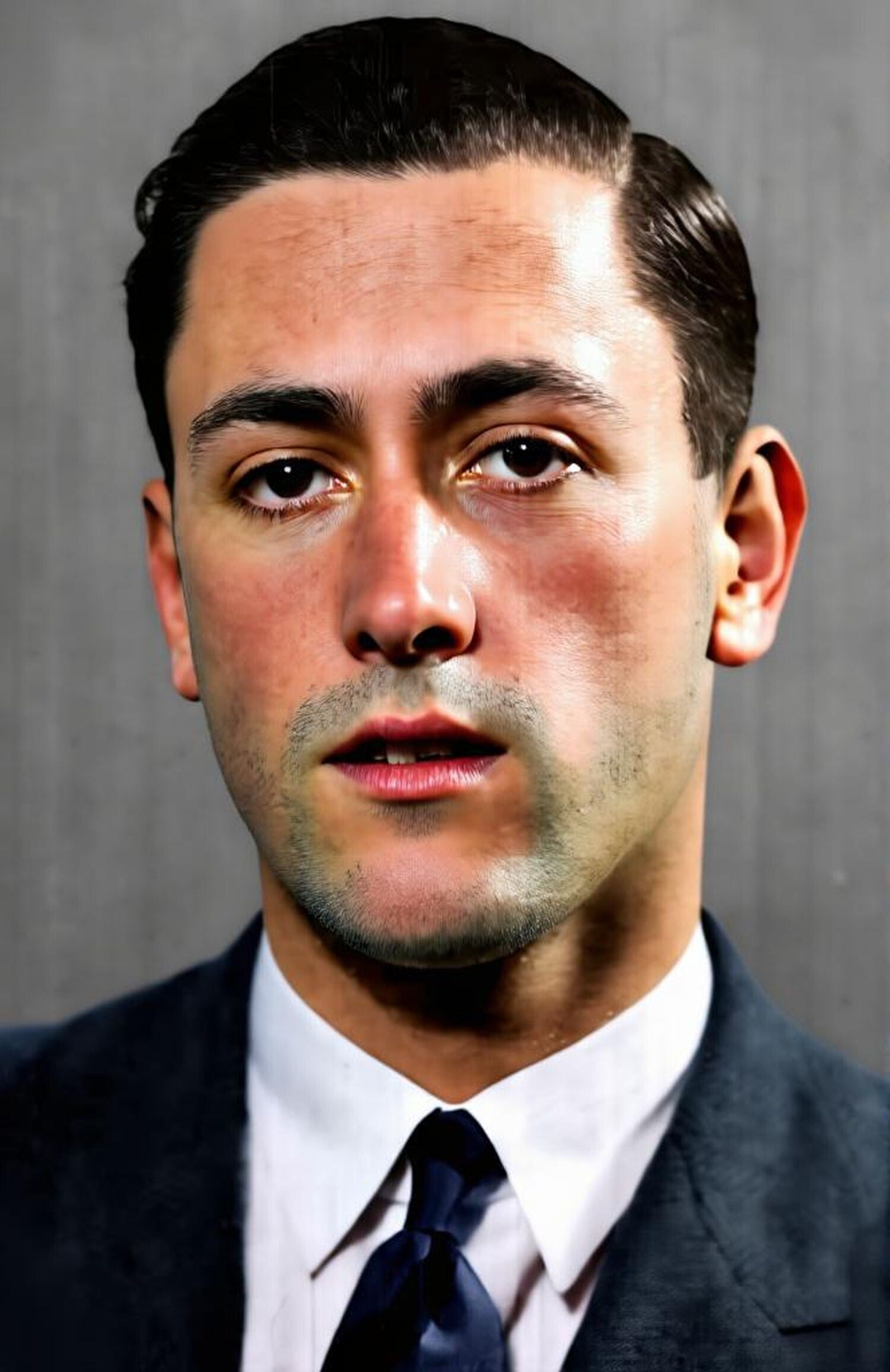
James Roy Cowsill, a York‑born RAFVR pilot with 56 Squadron, was lost on 13 July 1940 after damaging a Ju87 over Cap Gris Nez. His Hurricane was shot down into the Channel off St Margarets Bay, probably by Fw. John of 4/JG51. A rescue launch reached the scene quickly but found only a fragment of wreckage bearing the aircraft’s serial number. Cowsill disappeared without trace, a 20‑year‑old airman killed in action.
Late afternoon brought the next blow. A mixed force of Ju 87s and Bf 109s swept in towards Dover Harbour and a southbound convoy hugging the coast.
The Stukas were from II./StG 1, their escort from III./JG 51. No. 64 Squadron’s Spitfires from Kenley scrambled and clashed with the escorts while Dover’s anti-aircraft batteries hammered away at the bombers.
Two Bf 109s were claimed as probably destroyed in the dogfight.
One Spitfire was hit by friendly AA fire but limped home.
The gunners thought they brought down a Ju 87 over the sea – though that kill remained unconfirmed.
The convoy passed unharmed, but several bombs slammed into the harbour area, shaking the docks.
The day’s fiercest fight came just before 18:00.
Fifteen miles off Calais, Convoy CW 5 came under attack from twelve Ju 87s of StG 1, shielded by fighters from II. and III./JG 51. No. 56 Squadron’s Hurricanes waded in.
The dogfight that followed was fast, savage, and costly.
The Hurricanes claimed three Stukas and two Bf 109s destroyed, plus another Stuka probable.
But the price was high – two Hurricanes down. Sgt. J.R. Cowsill was killed over Calais, while Sgt. J.J. Whitfield went into the Channel at 19:00 and did not return.
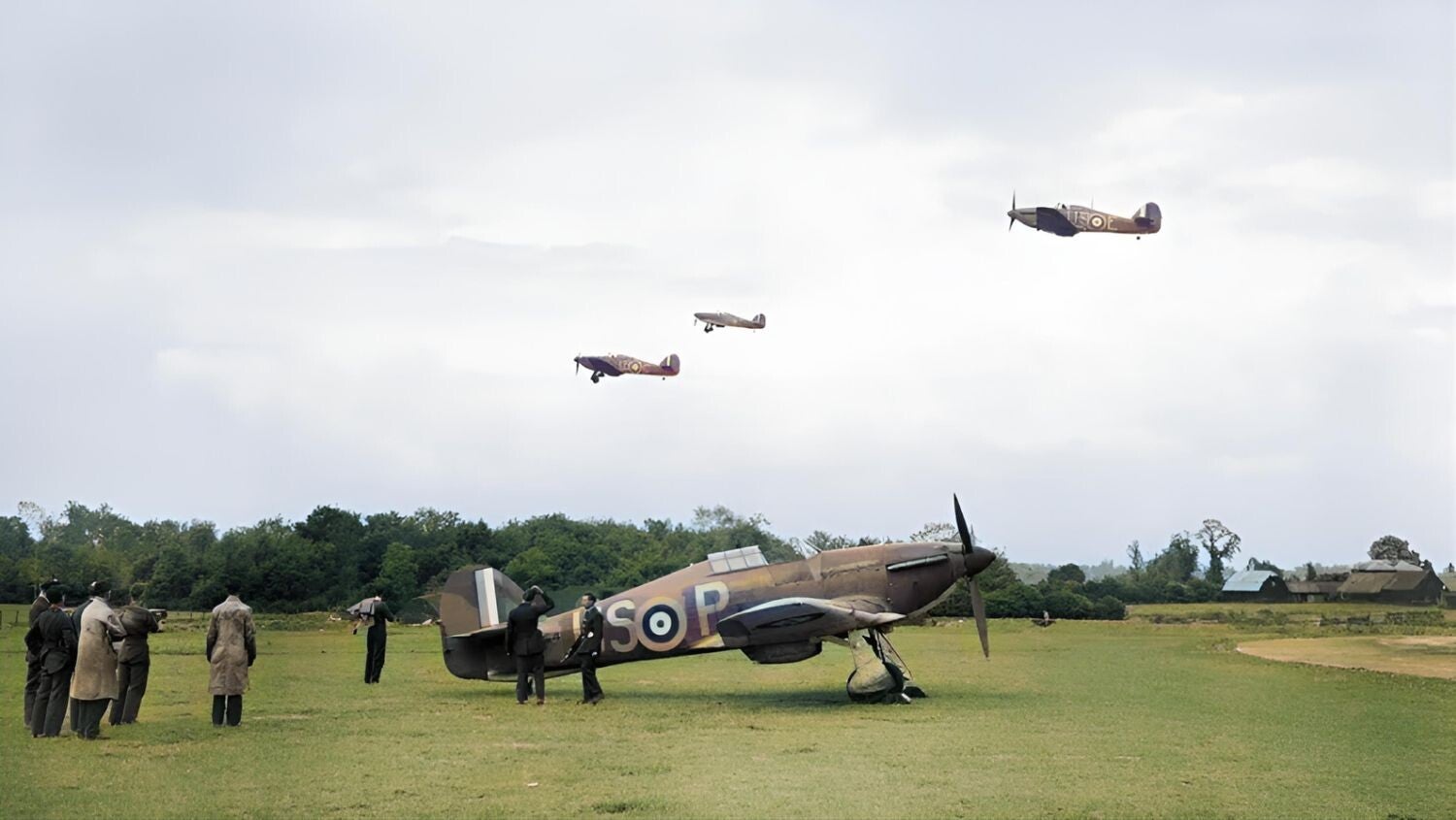
A flight of Hawker Hurricane Mark Is of No. 56 Squadron RAF taking off for a sortie from North Weald, Essex. In the foreground another Hurricane Mark I of the Squadron, P2764 ‘US-P’, stands at its dispersal point near the perimeter track on the south-western edge of the airfield. On 13th July 1940, No. 56 Squadron RAF, flying Hawker Hurricanes, engaged Luftwaffe formations over southern England during the early phase of the Battle of Britain. The squadron, one of Fighter Command’s frontline units, intercepted German bombers and their fighter escorts, providing crucial defensive cover for coastal towns and airfields. Despite facing superior numbers, the Hurricanes’ speed and firepower allowed No. 56 Squadron to disrupt enemy attacks, claiming several kills while sustaining limited losses, showcasing their effectiveness in early air defence.
IWM (CH 158) Saturday 13 July 1940 | The Battle of Britain Historical Timeline
The RAF hit back
Reinforcements came in the form of No. 54 Squadron’s Spitfires, diving into the fray.
Flight Lieutenant Colin Falkland Gray of New Zealand shot down Leutnant Hans-Joachim Lange of JG 51 – Lange’s fighter crashed into the Channel, killing him.
Luftwaffe losses here were heavy: six aircraft destroyed, eight damaged. Among the wrecks, a Ju 87 crash-landed near Wissant, both crew wounded.
Some of the Luftwaffe’s most experienced pilots scored kills in this fight. Oberst Theo Osterkamp, JG 51’s Kommodore, claimed his sixth and final aerial victory.
Oblt. Josef Fözö claimed two Hurricanes. Hptm. Horst Tietzen and Oblt. Arnold Lignitz added to the tally.
The convoy escort was hit too.
Destroyer HMS Vanessa narrowly avoided direct hits, but near-misses twisted her hull and tore into her fittings.
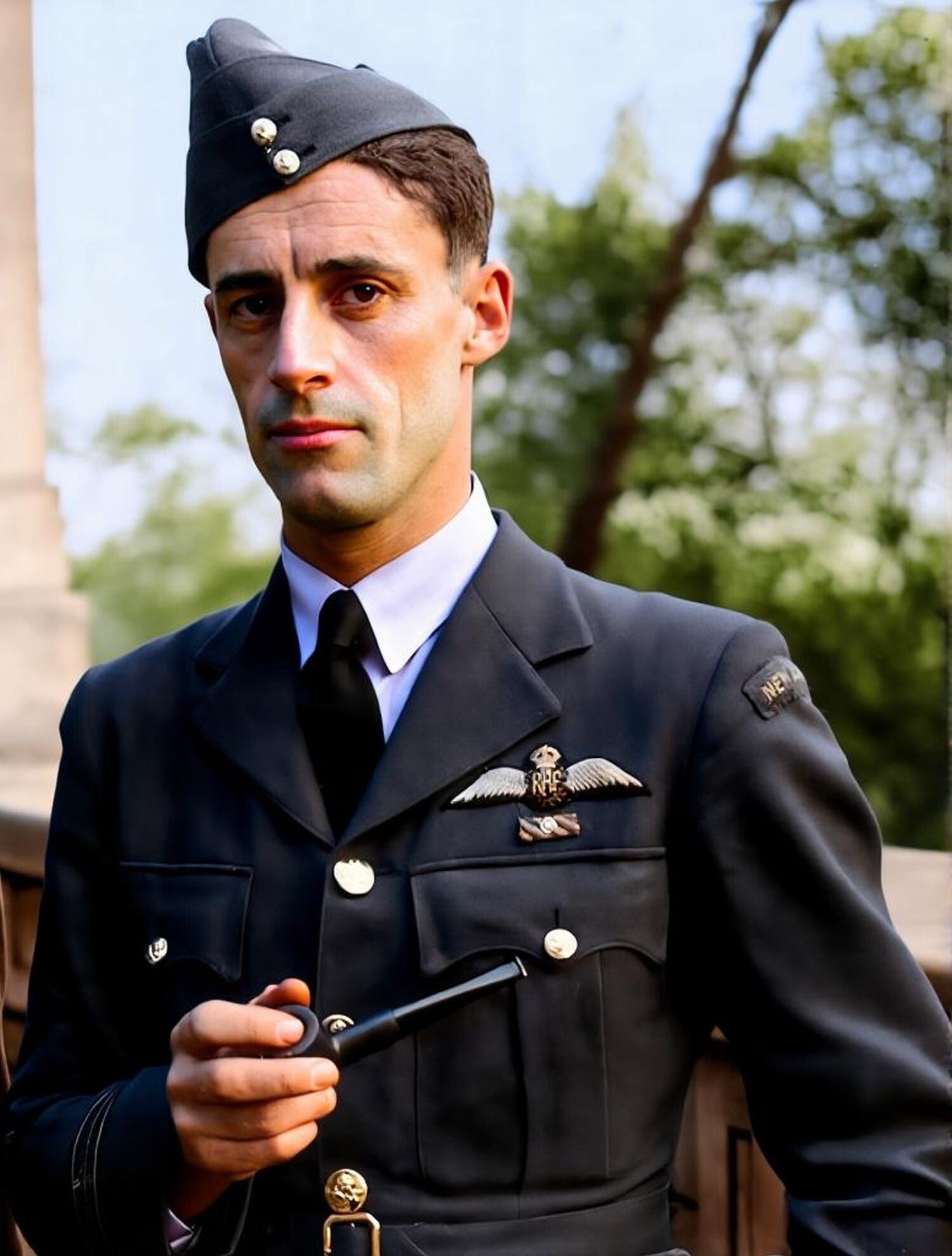
New Zealander Flight Lieutenant Colin Gray was involved in the air battles of the 13th July 1940, shooting down Leutnant Hans-Joachim Lange of JG 51.
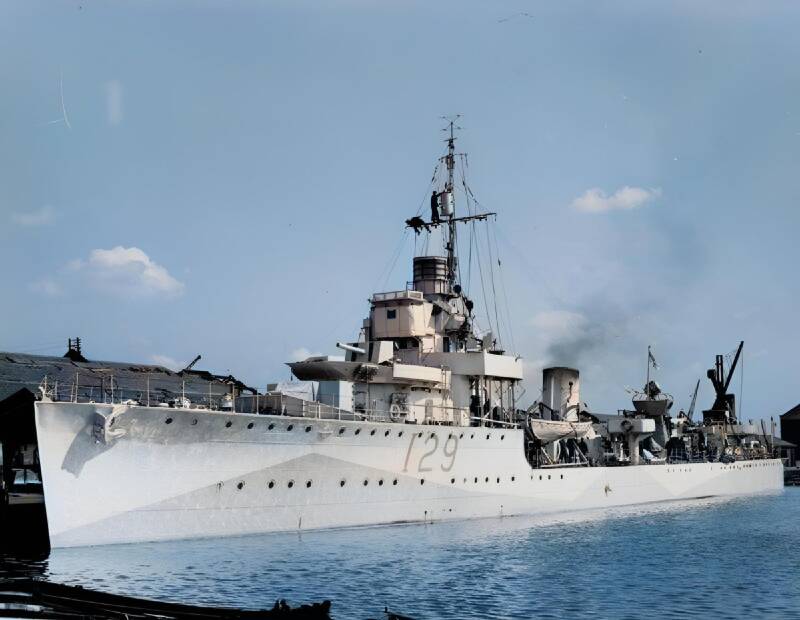
HMS Vanessa was disabled by near-misses during Luftwaffe attacks on 13th July and was taken under tow by tug Lady Duncannon for repair, eventually returning to service in November 1940. During Kanalkampf, the Royal Navy sustained notable losses as German dive-bombers and fighters targeted Channel convoys. Between July and mid-August 1940, over 20 merchant ships were sunk and several destroyers, including HMS Brazen and HMS Delight, were lost to air attack. Smaller vessels and escorts also suffered damage, straining naval resources. These losses highlighted the vulnerability of shipping under sustained Luftwaffe assault and underscored the increasing reliance on RAF Fighter Command to provide crucial protection.
...bombs fell in scattered attacks...
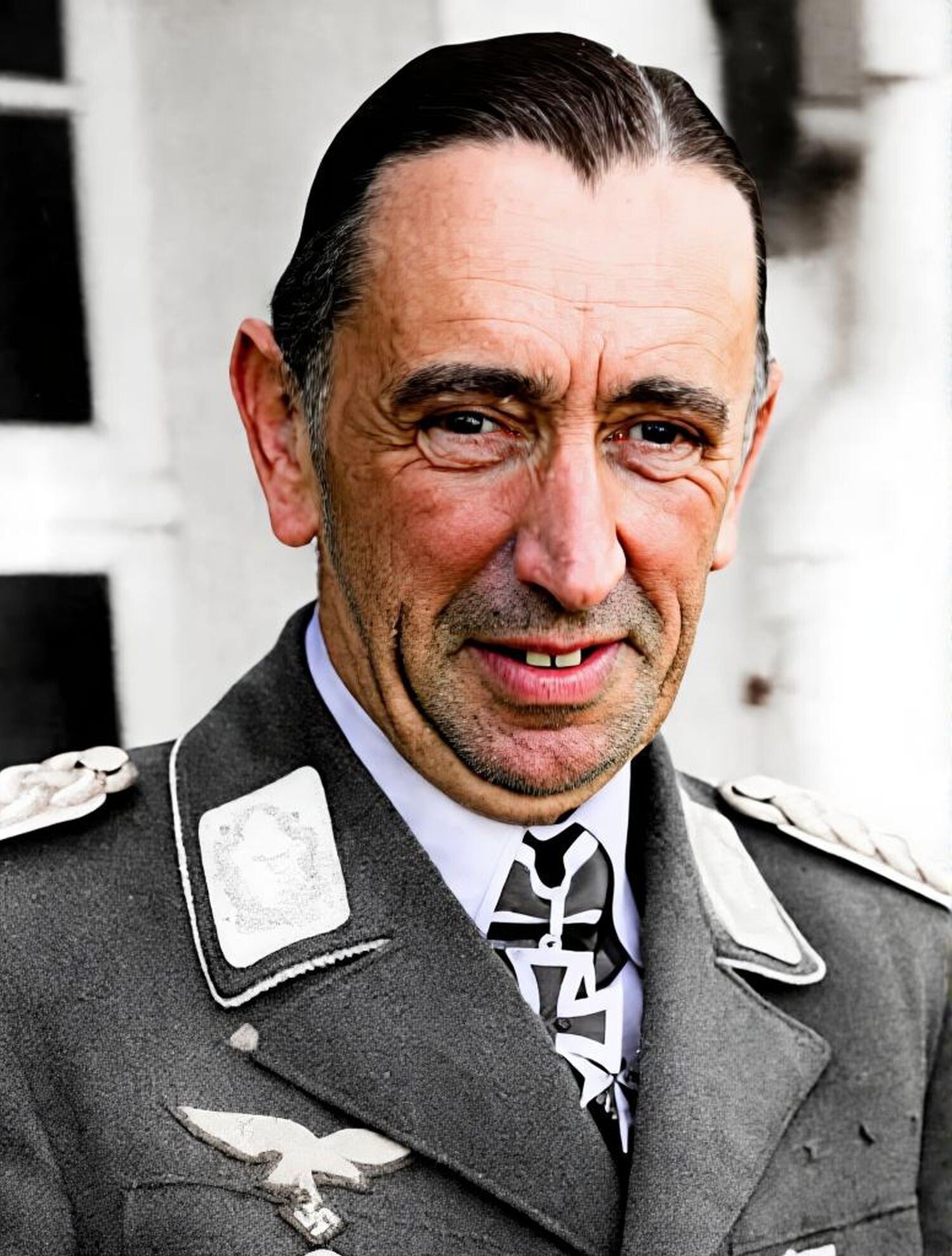
JG 51’s Kommodore, Theodor "Theo" Osterkamp, a veteran of the First World War, saw action on the 13th July, claiming his sixth aerial victory.
She was towed to safety by tug Lady Duncannon, repairs dragging on until November.
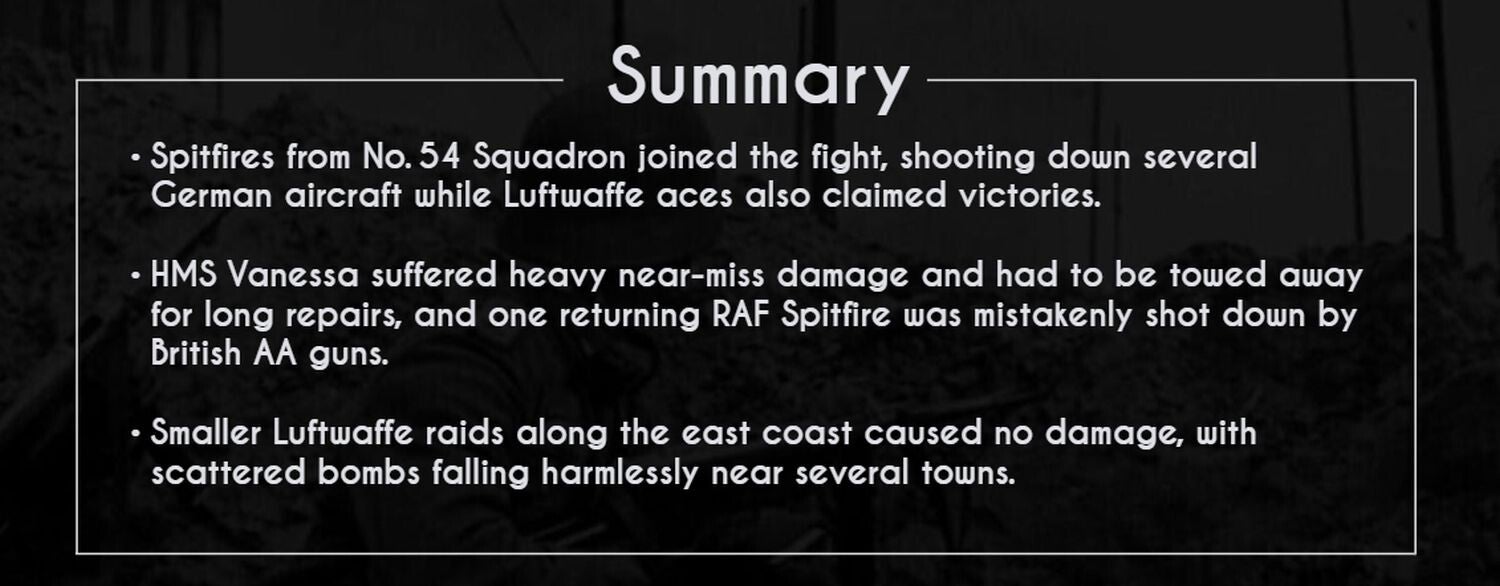
In a grim final twist, one RAF Spitfire returning from the fight was brought down by Dover’s own anti-aircraft guns.
While the main fighting raged in the south, eight smaller Luftwaffe raids probed Britain’s east coast.
Two struck at convoys near Harwich and North Foreland, but neither caused damage.
They seemed more like harassment than a serious push.
Through the afternoon and evening, bombs fell in scattered attacks. Near Warmwell and northeast of Lulworth Cove, high explosives landed but caused no damage.
A minor raid reached Dundee with similar results – no casualties, no destruction.
Night activity
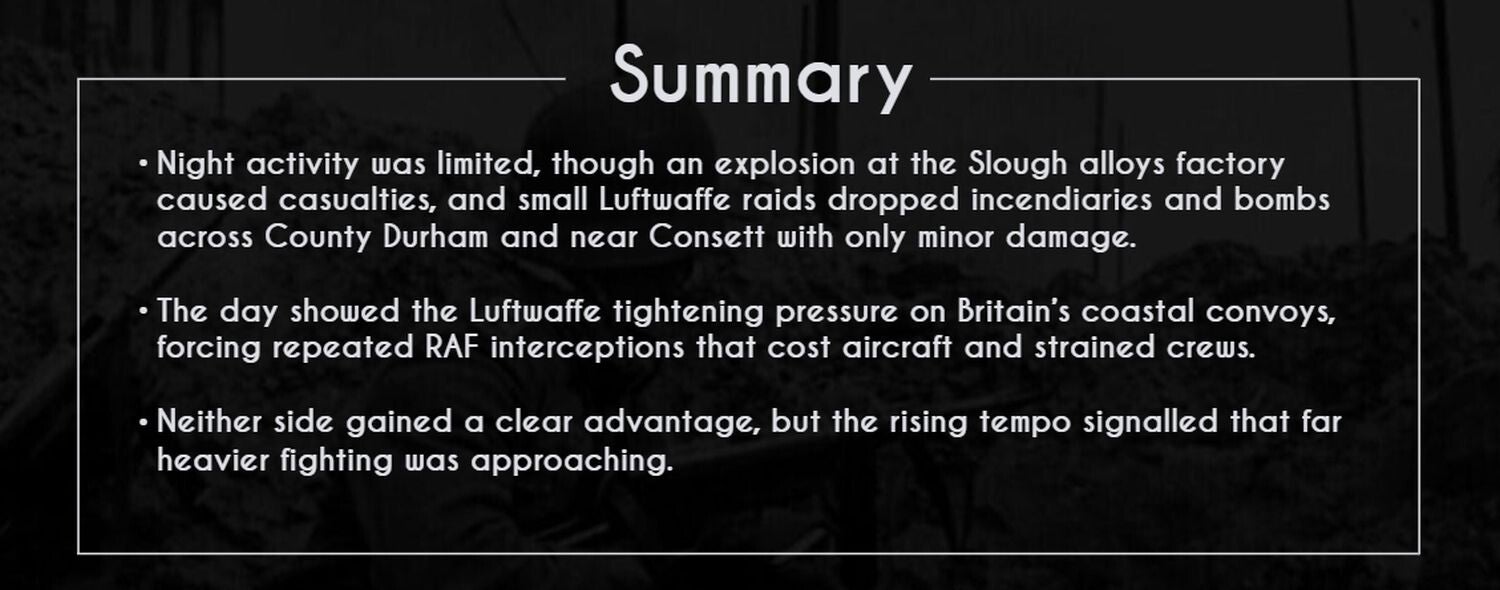
After dark, Luftwaffe activity dropped sharply. Between 22:40 and 01:17, only a handful of enemy movements were tracked, likely minelaying runs in the Thames Estuary and along the stretch between Middlesbrough and The Wash.
But there was one violent incident.
At 23:10, a blast tore through the High Duty Alloys Factory in Slough, killing one man and injuring 45 more – 23 only slightly. Whether it was sabotage, bombing, or accident was unclear.
In Co. Durham, incendiaries were dropped near railway lines leading to Seaton Snooks and West Hartlepool, and in Graythorp village.
Near Consett, bombs fell on the Bridgehill district, killing a cow and setting a house ablaze.
...the intensity was rising...
By nightfall, the pattern of the Kanalkampf was clear. The Luftwaffe’s focus was on Britain’s lifelines – the coastal convoys – testing RAF defences, wearing down pilots, and searching for weak points.
Saturday, 13th July, showed the intensity was rising.
Small morning probes gave way to concentrated afternoon strikes. Convoys survived, but at cost: fighter losses, damaged ships, and the growing strain of constant interception.
The Luftwaffe was feeling its own losses – experienced crews killed, aircraft destroyed or limping home riddled with bullets.
The day ended with no decisive blow struck by either side, but each clash sharpened the edge for what was coming.
The Battle of Britain’s third day closed in the knowledge that the real storm still lay ahead.
Casualties
The day’s fighting produced a stark balance sheet of loss. Eleven German airmen and six aircraft were gone by nightfall, a reminder that the Luftwaffe’s pressure over the Channel carried its own steady cost.
Britain’s toll—five airmen lost and six fighters destroyed—felt heavier still, each absence tightening the strain on squadrons already flying to exhaustion.
Sgt P. J. Watson‑Parker of No. 610 Squadron was among those who did not return.
His Spitfire R6807 came down for reasons unrecorded, the circumstances lost with him.
...vanished over the Channel...
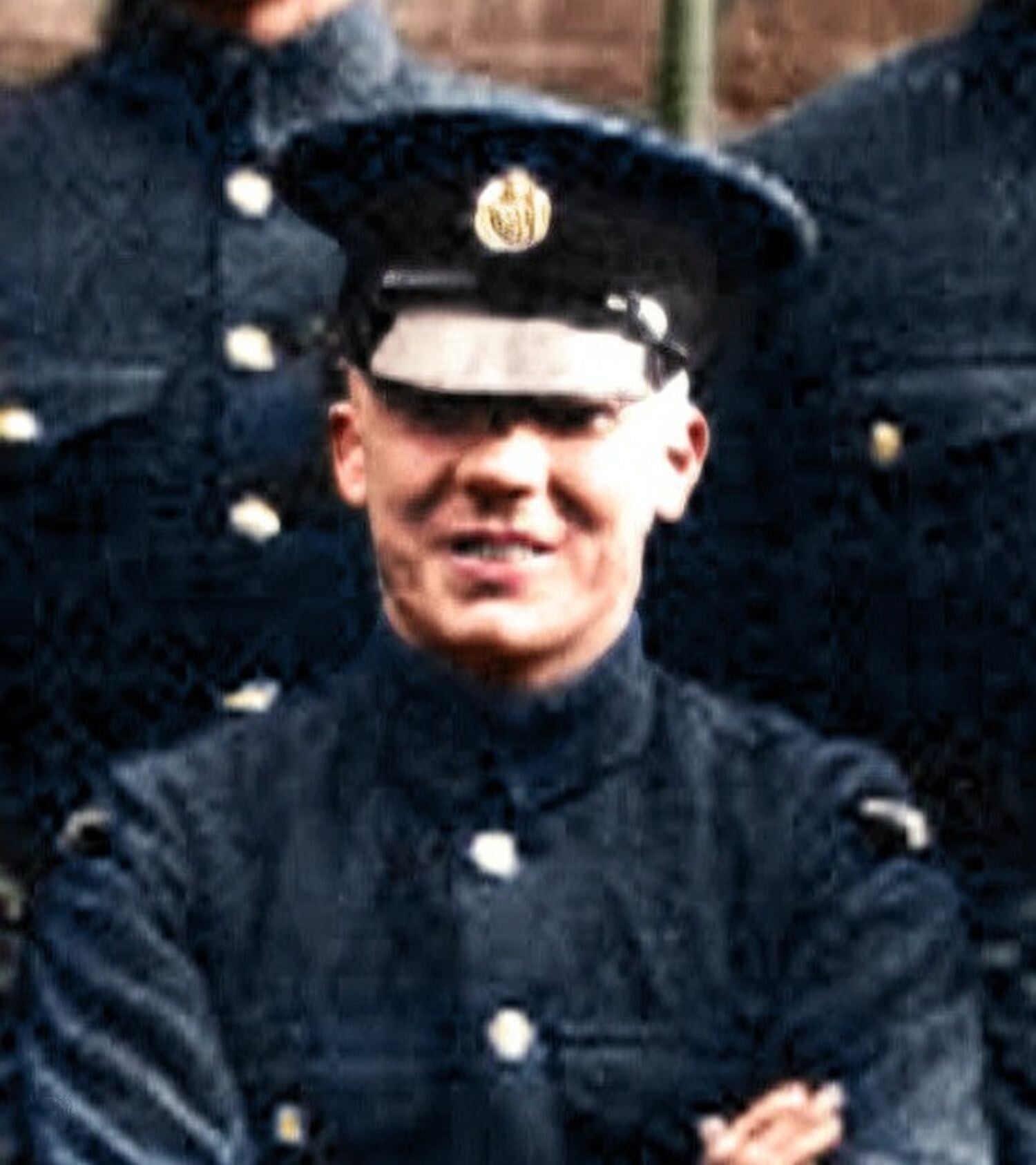
Sgt J.J. Whitfield, No. 56 Squadron, flying Hurricane P2922 on 13th July. His plane was hit by gunfire from Bf 109 over the Channel and crashed into sea.
No. 238 Squadron suffered another blow when Hurricane P2950 failed to make it home; its pilot, F/Lt J. C. Kennedy, already noted earlier in the day’s account, succumbed after attempting to nurse his damaged aircraft back to base.
No. 56 Squadron endured the hardest losses. Hurricane N2432 vanished over the Channel with Sgt J. R. Cowsill - also previously discussed - last seen in combat with Bf 109s before disappearing into the haze and swell.
A second Hurricane, P2922, was hit by enemy fire and plunged into the sea, taking Sgt J. J. Whitfield with it.
Neither pilot was recovered, their fates recorded only in brief, sombre lines in the squadron diary.
...a fatal reminder...
The final tragedy unfolded not in combat but in training.
Sgt R. R. G. Birch of No. 19 Squadron was killed when his Spitfire R6688 stalled during a steep turn in dogfight practice, a fatal reminder that even routine exercises carried mortal risk during these relentless weeks.
Together, these losses—combat, accident, and the unforgiving sea—formed the human cost behind the day’s statistics, a quiet but unyielding measure of the strain that Kanalkampf was already imposing on Fighter Command.