The morning of Saturday 20 July 1940 broke unsettled over southern Britain and the Channel. Thunderstorms rumbled over the countryside, rolling eastward before clearing skies opened towards midday.
For those who had endured the last week’s mounting tension, it was a day that seemed poised between summer normality and a gathering storm.
Yet over the Channel there was no mistaking the intent: German air activity, though not yet at its peak, showed a sharp increase.
...a relentless attritional strategy...
The Luftwaffe pressed forward with attacks on convoys, a relentless attritional strategy designed to choke Britain’s lifelines and lure the RAF into the open.
Only twenty-four hours earlier, Adolf Hitler had delivered his so-called “Last Appeal to Reason”, a speech framed as magnanimous but in reality an ultimatum.
Now, with no sign of British capitulation, he issued sweeping new orders. Göring was granted expanded command powers, his remit widened to include control of night-fighting units and the coordination of German air defence.
The signal was clear: preparations to seize air superiority over Britain were to intensify. If mass bombing was not yet to be unleashed, then Britain would be worn down through constant probing, ceaseless pressure, and the slow grind of attrition.


An RAF Ground Crewman getting ready to feed the eight Browning machine guns carried in the wings of this Hawker Hurricane. Hurricanes were heavily involved in the fighting on the 20th July.
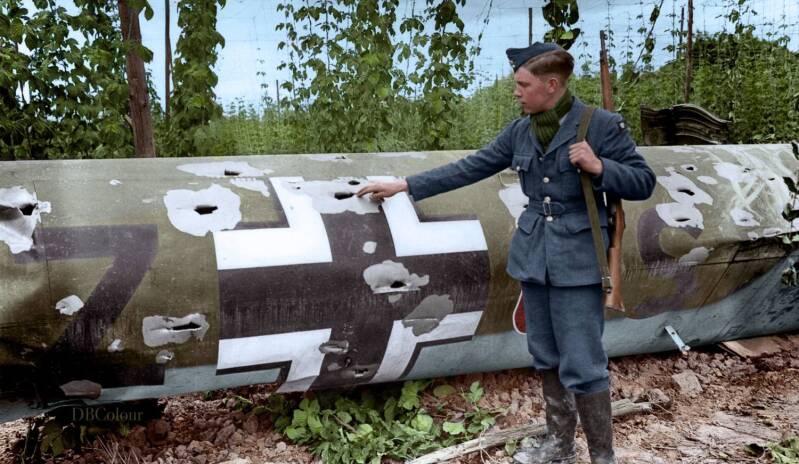
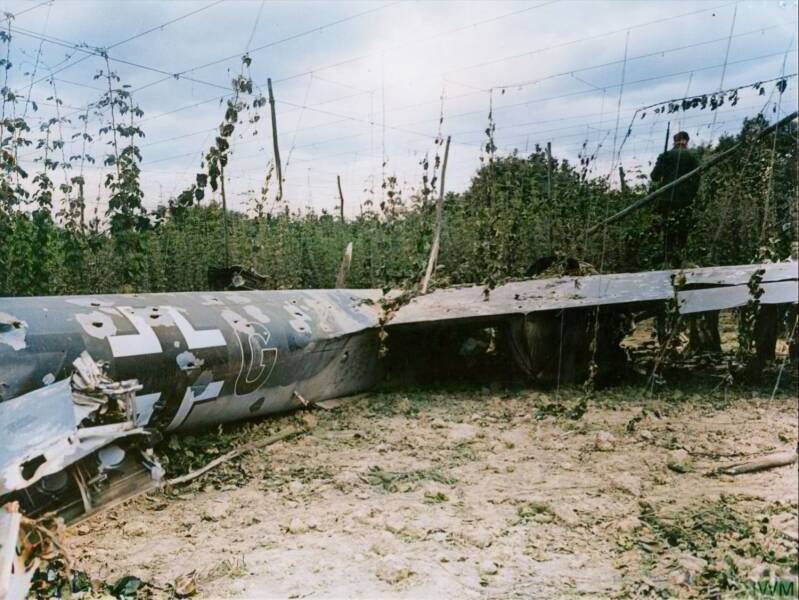
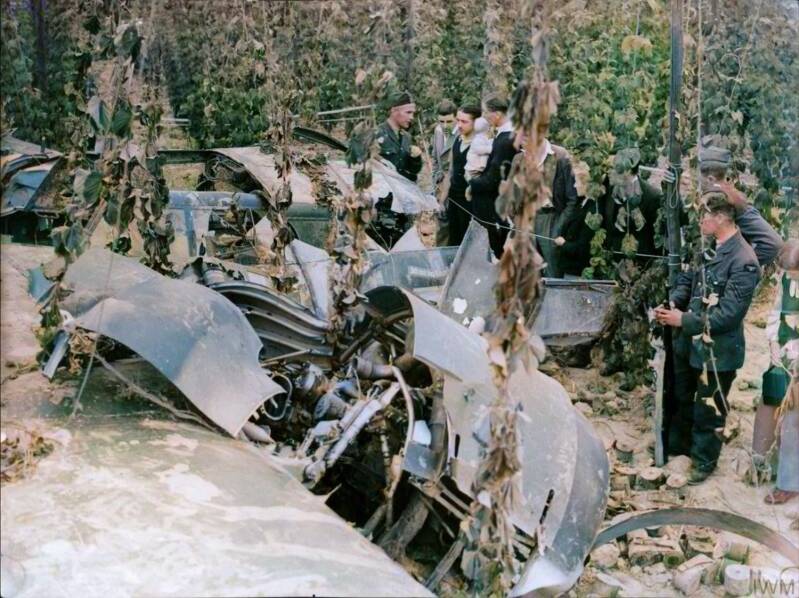
Dornier Do 17Z 8.KG77 3Z+GS WNr 2642 which was shot down by Hurricanes from 32 Squadron, Kent, July 1940. During the Battle of Britain, the Dornier Do 17 proved vulnerable despite its speed and slim profile. Its light defensive armament left it poorly protected against RAF fighters, especially from below and ahead. The narrow fuselage limited both crew movement and armor protection, while its small bomb load reduced effectiveness compared to larger bombers. Once intercepted, Do 17s were easily damaged, with fuel tanks and engines particularly susceptible to fire and failure.
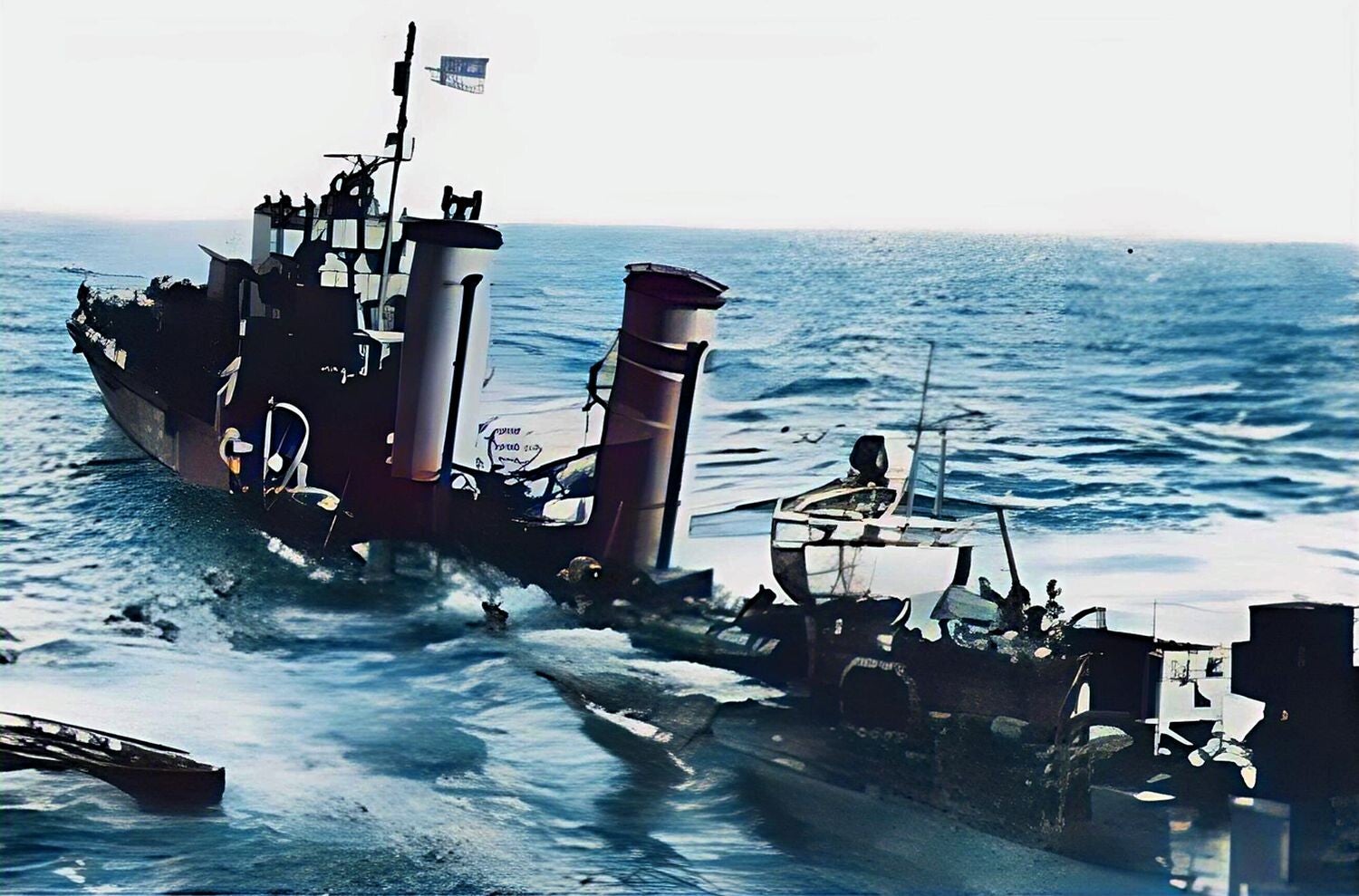
HMS Brazen sinking after a Luftwaffe attack on the 20th July 1940. Whilst escorting Convoy CW7 on 20 July, during Kanalkampf, the ship was attacked by German Junkers Ju 87 Stuka dive bombers belonging to II./Sturzkampfgeschwader 1 (Dive Bomber Wing 1—or StG 1). The shock effect from several near misses broke her keel and then she was hit in the engine room, resulting in her sinking at 20:40. One crew member lost their life.
Further reading