Nilganj Massacre
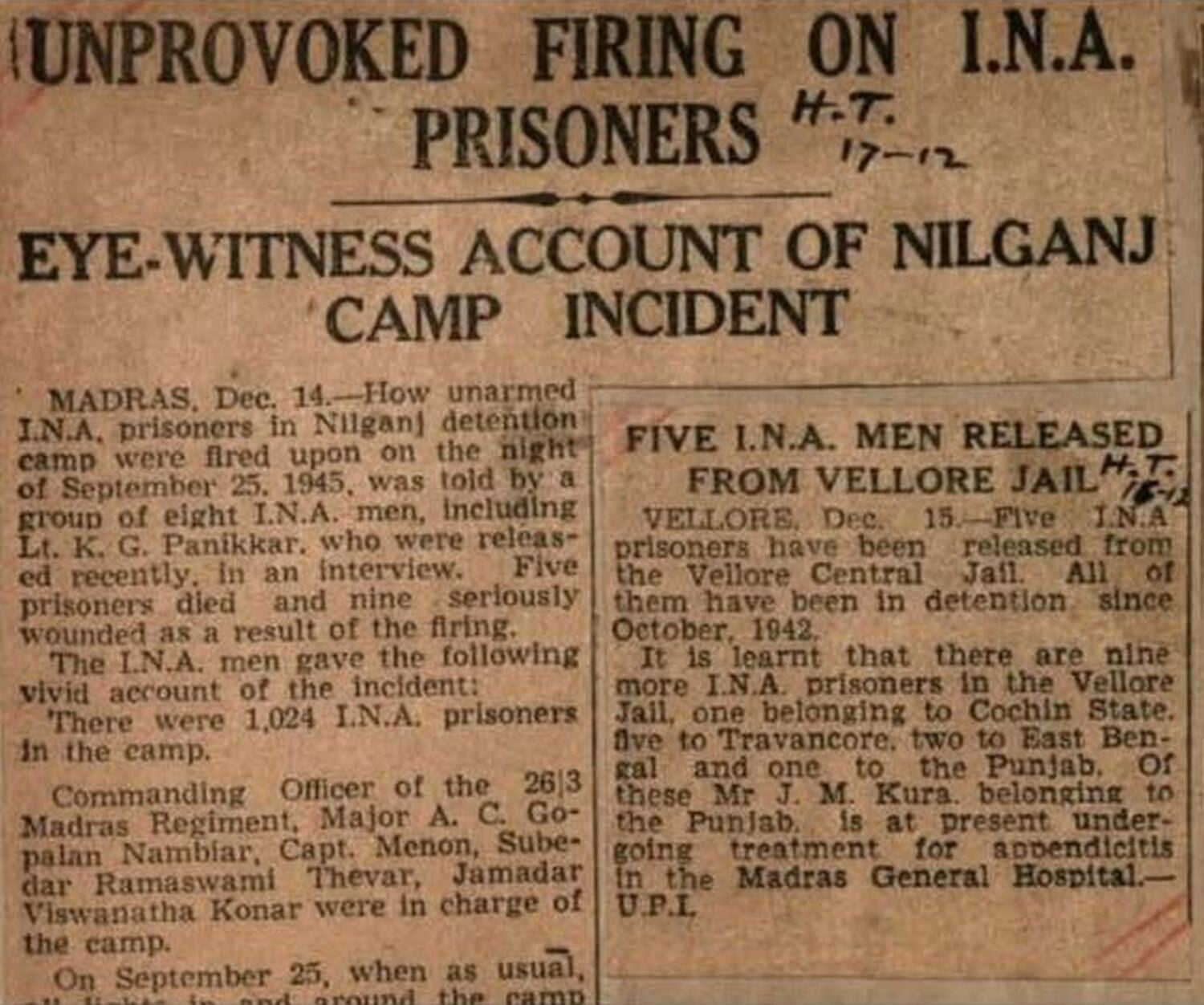
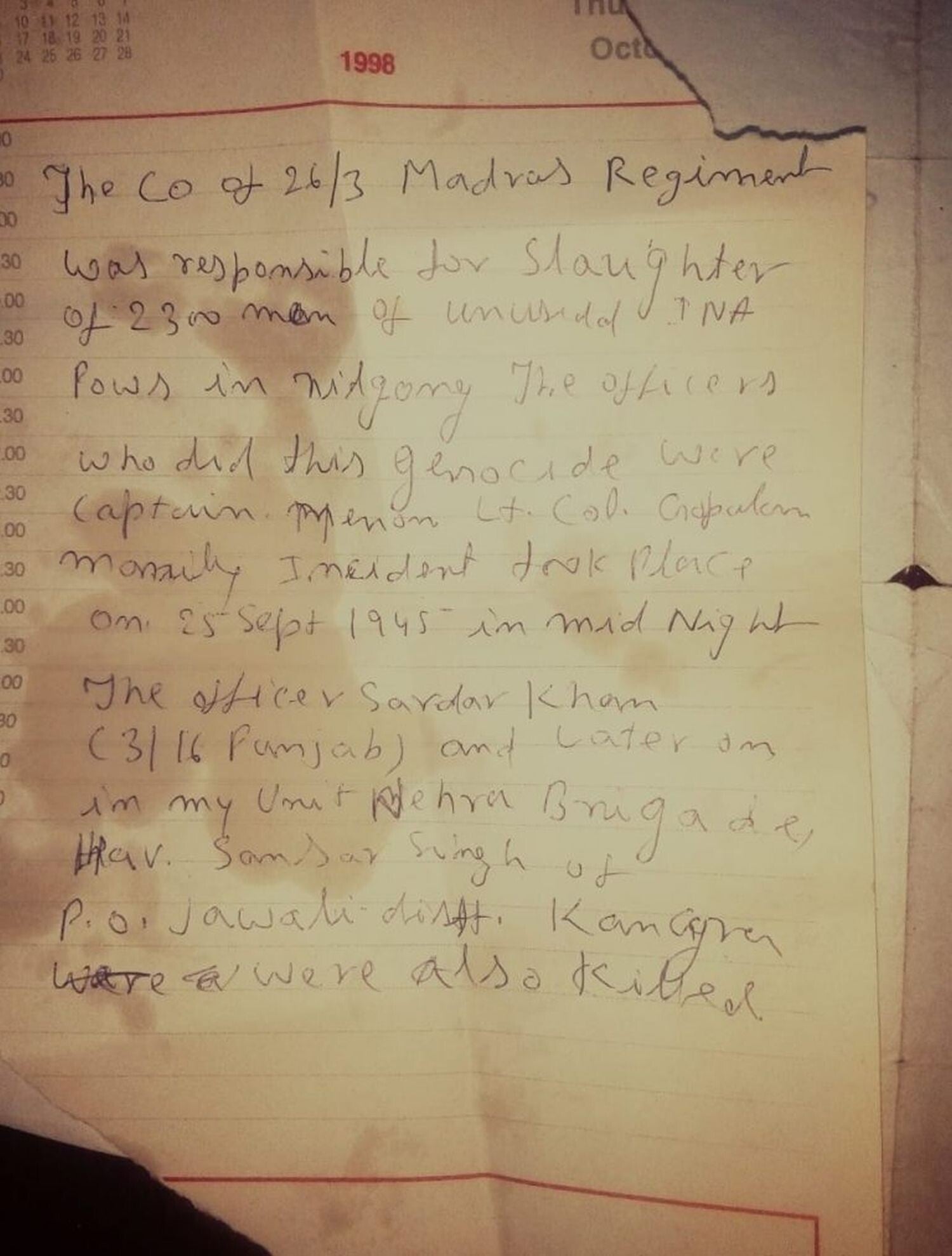
The Nilganj Massacre stands as one of the lesser‑known yet profoundly harrowing episodes of communal violence in Bengal’s turbulent 1946–47 period. Occurring in the rural belt north of Calcutta, the attack unfolded against a backdrop of political fragmentation, collapsing trust between communities, and the accelerating disintegration of British authority. Nilganj, a village whose population had long lived through uneasy but functional coexistence, became a flashpoint when rumours, reprisals, and organised intimidation spiralled beyond control. What followed was a coordinated assault on unarmed civilians, marked by the deliberate targeting of homes, places of refuge, and individuals attempting to flee.
Survivor testimonies describe the violence as sudden and overwhelming: dwellings set alight, families separated in the chaos, and entire neighbourhoods emptied within hours. The attackers exploited the isolation of the village, cutting off escape routes and ensuring that pleas for help went unanswered. For many victims, the trauma was compounded by the sense of abandonment—by local authorities unable or unwilling to intervene, and by a wider political landscape consumed by negotiations over Partition rather than the protection of vulnerable populations.
In the aftermath, Nilganj was left scarred both physically and psychologically. The village’s demographic fabric was permanently altered as displaced families sought safety elsewhere, often never returning. Contemporary reports, though sparse, emphasise the scale of destruction and the atmosphere of terror that lingered long after the violence ceased. Today, the massacre is remembered not only as a tragedy in its own right but also as a stark reminder of how rapidly communal tensions can escalate when institutions fail and fear becomes weaponised.
The Nilganj Massacre endures as a testament to the human cost of political upheaval, urging historians and communities alike to confront the fragility of peace and the necessity of vigilance in safeguarding it.