
Overview
The German strike of January 1918 was the largest and most politically charged labour uprising in Germany during the First World War, reflecting the deep social and economic fractures that had opened after nearly four years of total war. It erupted in late January 1918, shortly after a similar wave of strikes in Austria‑Hungary, and was driven by food shortages, collapsing living standards, and the growing influence of anti‑war socialist movements inspired by the Russian Revolution.
By 1916–17 the German home front was under severe strain. The British blockade had sharply reduced food imports, inflation eroded wages, and the “turnip winter” revealed the fragility of the civilian food supply. Illegal strikes increased despite wartime prohibitions, and the government’s use of military force against bread riots in 1917 further radicalised workers. These conditions strengthened the appeal of the Independent Social Democratic Party (USPD), which opposed the war and supported the formation of workers’ councils. Originally created under the 1916 Auxiliary National Services Law to negotiate wages and conditions, these councils evolved into a nationwide organisational network capable of coordinated action.
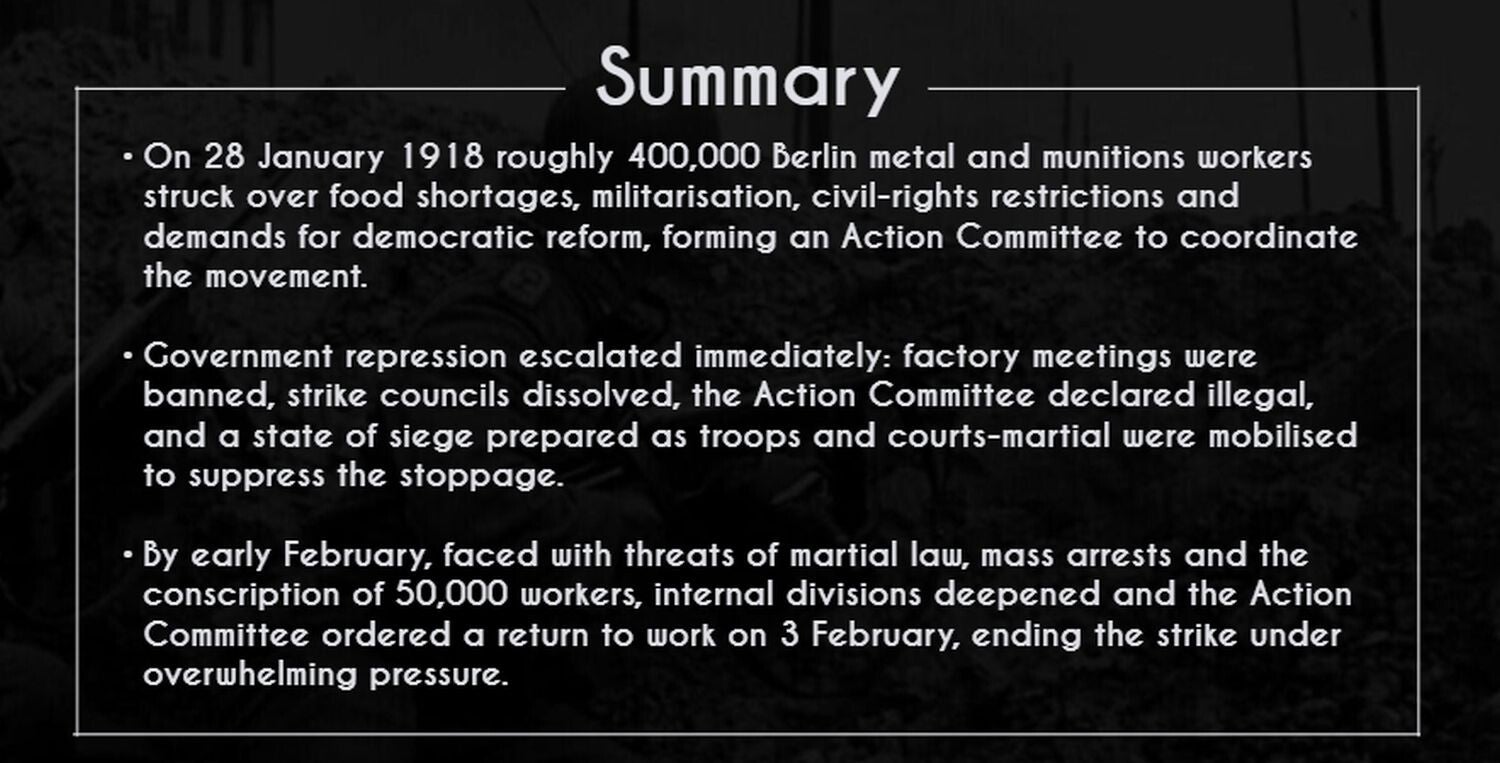
The October Revolution electrified the German left. The Spartacus League, led by Rosa Luxemburg and Karl Liebknecht, called for a general strike, while Richard Müller and the Revolutionary Stewards—who held real influence inside factories—prepared for mass mobilisation. On 28 January 1918, around 400,000 Berlin workers walked out, demanding peace without annexations, food relief, civil liberties, and democratisation. Delegates formed an Action Committee, but government repression was swift: factory meetings were banned, leaders threatened with prosecution, and troops deployed.
Attempts at negotiation failed. A mass meeting in Treptow Park on 31 January saw USPD leader Wilhelm Dittmann arrested, and by 1 February the military threatened martial law. The government dissolved the workers’ delegate body and conscripted up to 50,000 strikers. Facing overwhelming force and internal division, the Action Committee called off the strike on 3 February.
Title
The German strike of January 1918 unfolded as one of the most consequential episodes of domestic unrest in the final year of the First World War, revealing the deep fractures that had opened within German society after nearly four years of total war.
Known as the Januarstreik, it followed closely on the heels of the Jännerstreik in Austria‑Hungary and was shaped by the same pressures: collapsing living standards, war weariness, and the galvanising effect of the October Revolution in Russia.
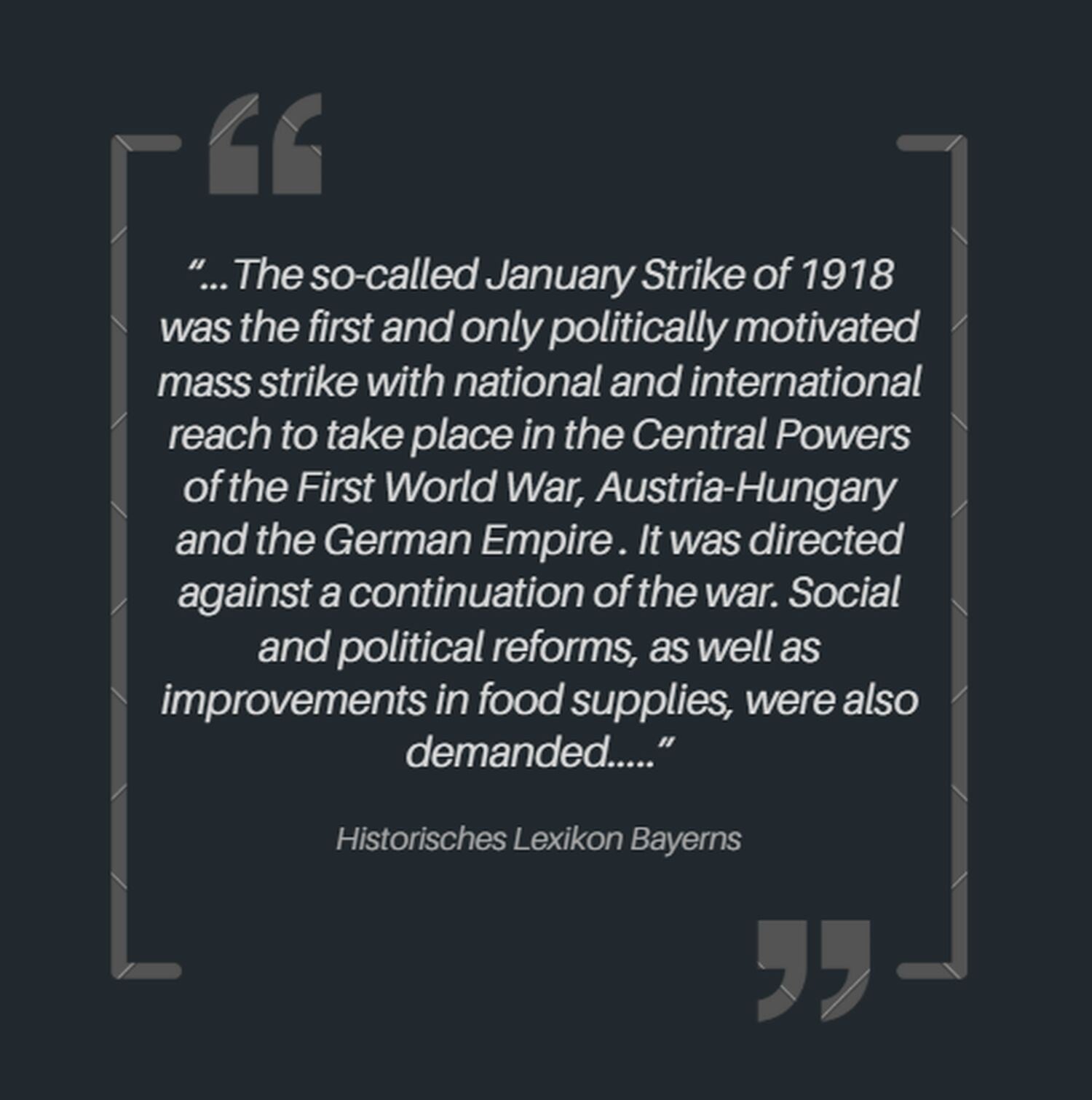
Although the strike lasted only from 25 January to 1 February, its scale—over a million workers at its height—and its political implications made it a defining moment in the erosion of the Imperial German state’s authority.
...two years of total war...
Home Front
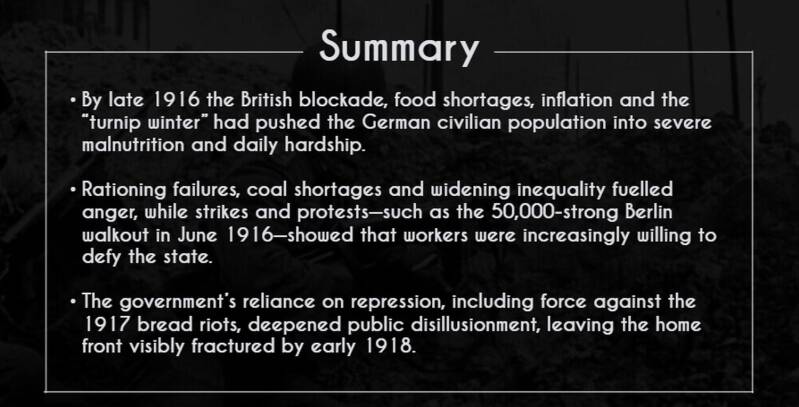
By 1916 the German home front was already showing unmistakable signs of systemic breakdown, the cumulative result of two years of total war waged under conditions the Imperial government had neither anticipated nor prepared for.
The British naval blockade had sharply reduced Germany’s access to imported grain, fats, and fertilisers, and by late 1916 the effects were visible in every major city.
The “turnip winter” of 1916–17 became emblematic of this collapse: with potatoes scarce and meat rationed to negligible quantities, civilians survived on animal fodder and ersatz substitutes that provided little nutrition.
Malnutrition spread rapidly, especially among working‑class families whose diets had already been marginal before the war.
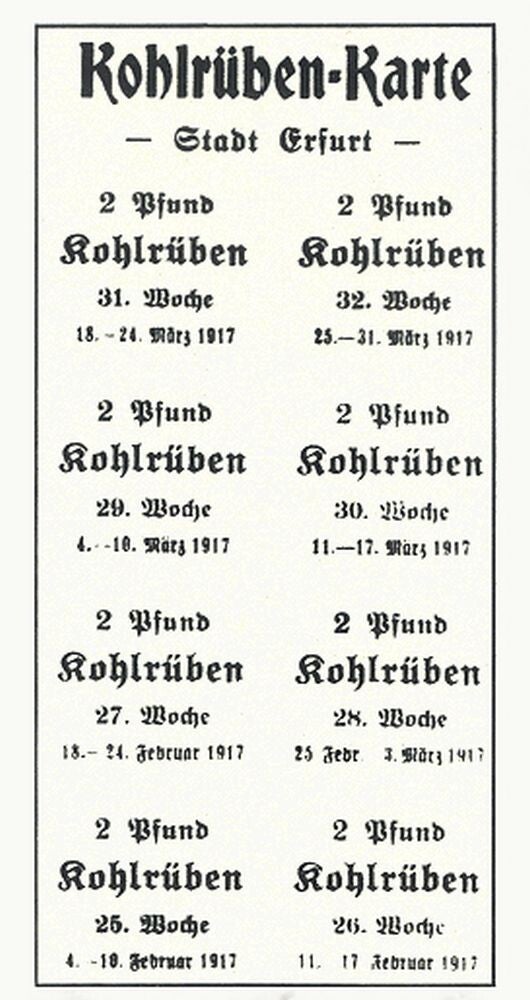
The “turnip winter” of 1916–17: A ration stamp of the city of Erfurt, 1917 for 1 kilogram (2.2 lb) of turnips per week.
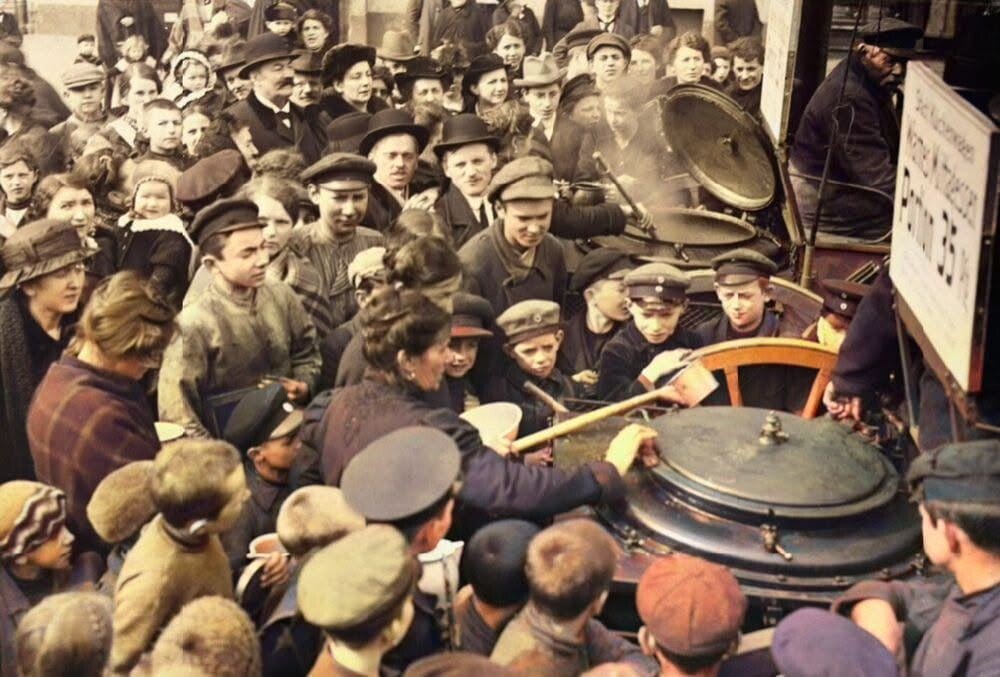
A German soup kitchen during the First World War. By 1916 the German home front was strained by food shortages, inflation, and the collapse of civilian provisioning. Municipal soup kitchens became essential, feeding thousands on thin ersatz stews as the British blockade tightened. Long queues, malnutrition, and declining rations eroded public confidence in the state. These pressures created the conditions for the January 1918 strike, when workers—already dependent on emergency relief—protested deteriorating living standards and demanded peace, reform, and restored food supplies.
...while city dwellers starved...
Inflation compounded these pressures. As the state financed the war through borrowing rather than taxation, prices rose steadily while wages lagged far behind.
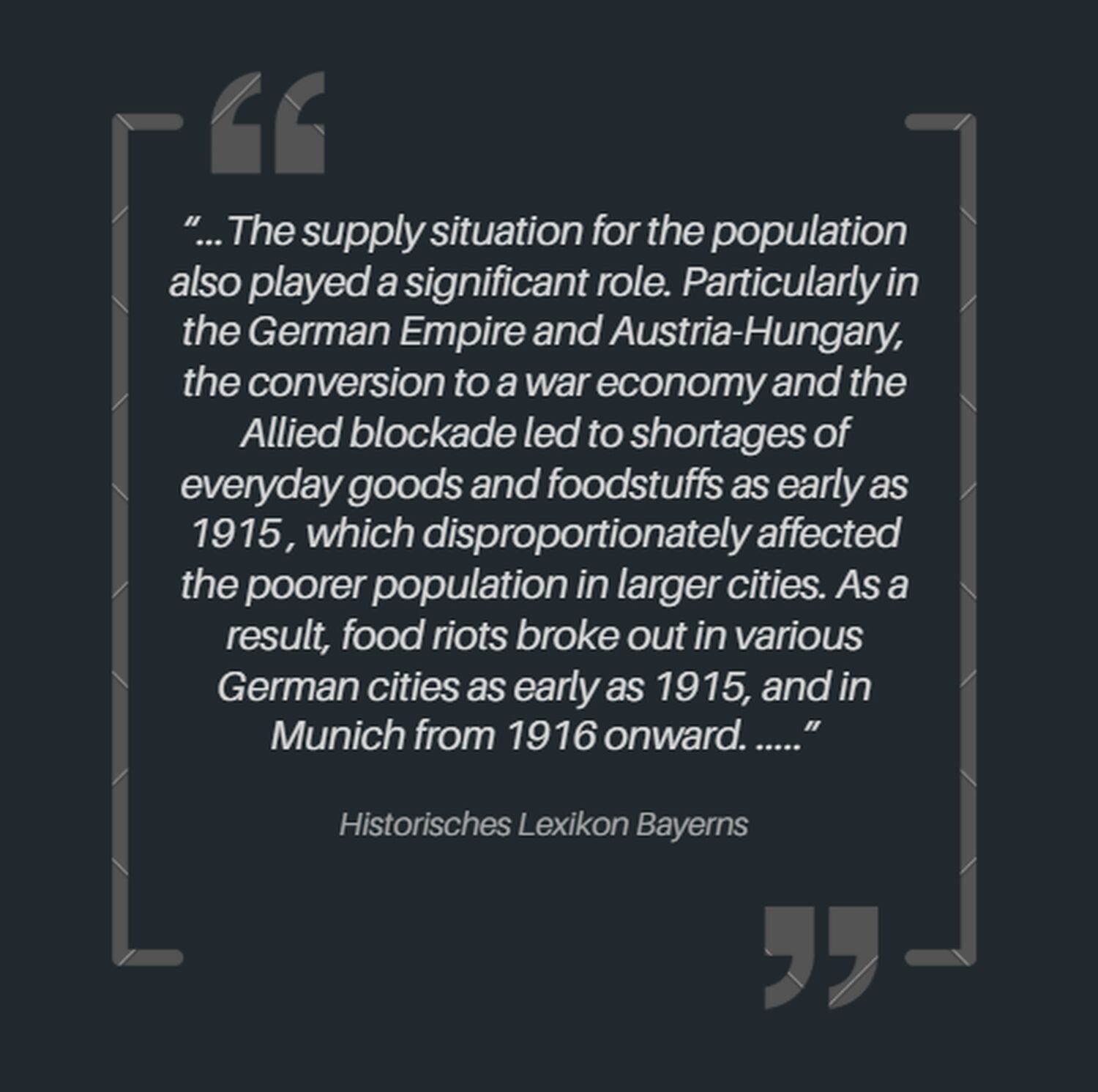
Even skilled industrial workers found that their earnings no longer covered basic necessities. Coal shortages left homes unheated during the harsh winter months, and the rationing system - poorly administered and chronically under‑supplied - failed to meet even minimal caloric requirements.
Long queues outside bakeries and butchers became a daily feature of urban life, and resentment grew as civilians perceived that the burdens of war were distributed unevenly, with rural producers and black‑market traders profiting while city dwellers starved.
...increasingly willing to defy the state openly...
Under these conditions illegal strikes began to proliferate despite wartime prohibitions and the threat of military intervention.
The walkout of more than 50,000 Berlin workers in June 1916, protesting the imprisonment of Karl Liebknecht, marked a turning point: it demonstrated that industrial labour was increasingly willing to defy the state openly.
The government’s response - arrests, intimidation, and the deployment of troops - did little to restore confidence. When bread riots erupted in Berlin and Leipzig in April 1917, the authorities again resorted to force, further radicalising sections of the working class and deepening the sense that the Imperial leadership was incapable of addressing the crisis.
By the beginning of 1918, the social contract that had sustained Germany’s war effort was visibly disintegrating.
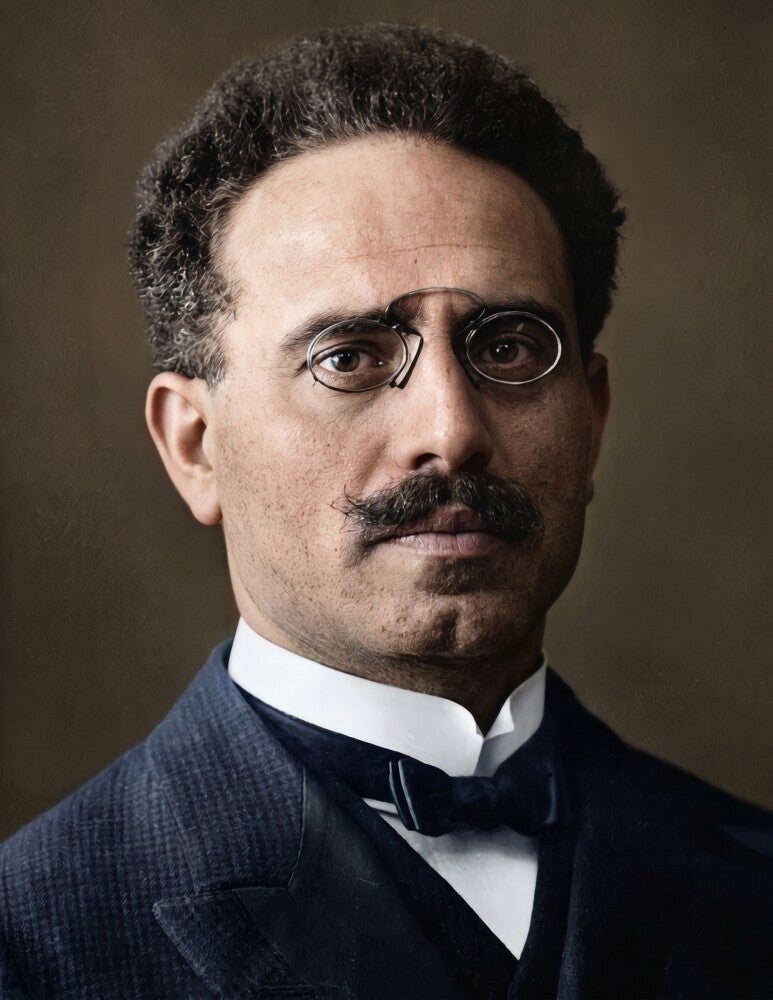
Karl Liebknecht’s anti‑war stance inspired the 1918 German strike, but his arrest inflamed workers further, turning him into a symbol of repression and strengthening revolutionary resolve against the Kaiser’s regime.
Social Democratic Party (USPD)
These conditions strengthened the appeal of the Independent Social Democratic Party (USPD), which had broken away from the Majority Social Democratic Party (SPD) in 1917 after years of internal conflict over the war.
The SPD leadership continued to support the government’s war policy, arguing that national unity was essential for survival.
For many workers, however, this position had become untenable as living standards collapsed and the promise of victory receded.
The USPD offered a clear alternative: opposition to the war, criticism of the government’s authoritarian measures, and advocacy for democratic and social reforms.
Its anti‑war stance resonated strongly with industrial labourers who bore the brunt of food shortages, inflation, and military conscription.
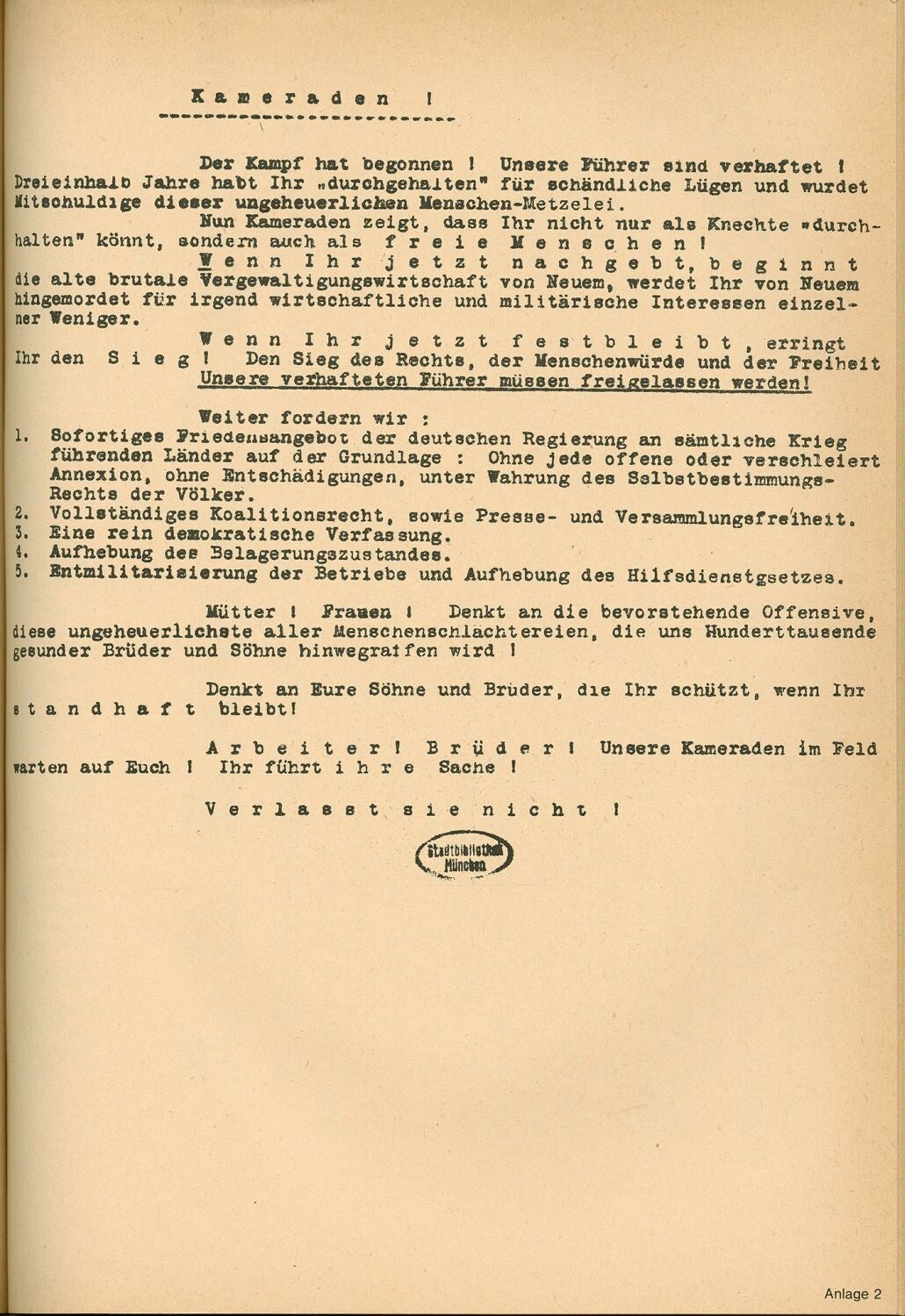
"The struggle has begun", flyer by the USPD's Munich branch, 1st February 1918.
Information
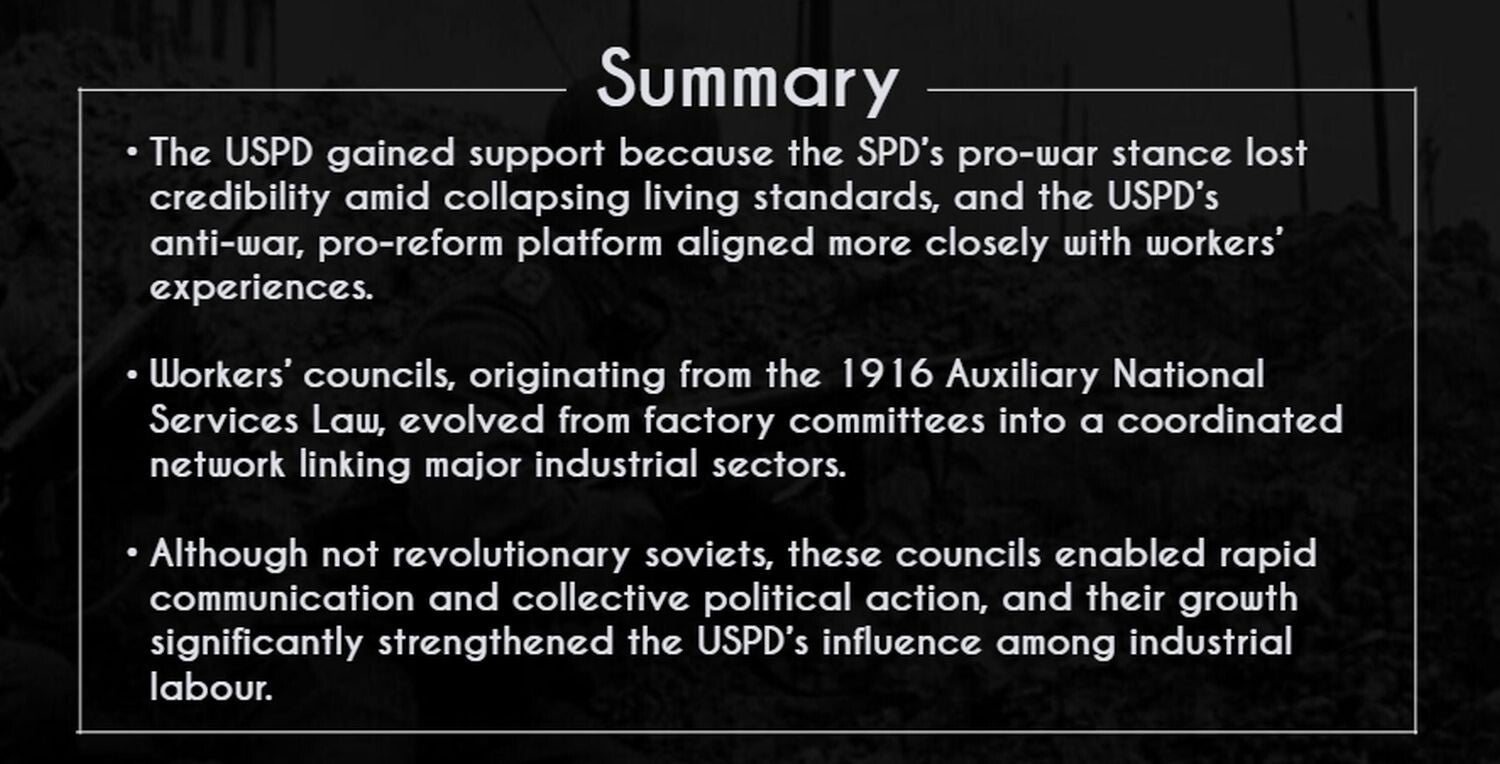
A key element of the USPD’s growing influence was its support for workers’ councils.
These councils had their origins in the 1916 Auxiliary National Services Law, which required all men not serving at the front to work in war‑related industries and permitted the creation of factory committees to negotiate wages and conditions.
Although conceived as a mechanism for labour discipline, the committees quickly evolved into platforms for collective organisation.
By 1917 they had spread across major industrial centres, linking metalworkers, munitions workers, and transport labourers into a loose but increasingly coordinated network.
Information
While these councils were not revolutionary soviets in the Russian sense—they lacked both armed power and a unified ideological programme—they nonetheless provided an organisational foundation for mass mobilisation.
They enabled rapid communication across factories, facilitated the election of trusted delegates, and created a structure through which political demands could be articulated collectively.
As the war dragged on and hardship deepened, the councils became the natural vehicles for expressing discontent, and the USPD’s alignment with them significantly enhanced its credibility among Germany’s industrial workforce.
The October Revolution
The October Revolution in Russia electrified the German left and transformed an already volatile political climate into one charged with the expectation that a similar rupture might be possible in Germany.
News of the Bolsheviks’ seizure of power spread rapidly through industrial centres, where workers were already embittered by food shortages, inflation, and the unending demands of total war.
For many, the Russian example demonstrated that a determined working class could overthrow an exhausted state.
This atmosphere emboldened the Spartacus League, the revolutionary wing of the USPD led by Rosa Luxemburg and Karl Liebknecht, who saw in Russia a confirmation of their long‑held belief that the war could only be ended through a decisive break with the existing political order.
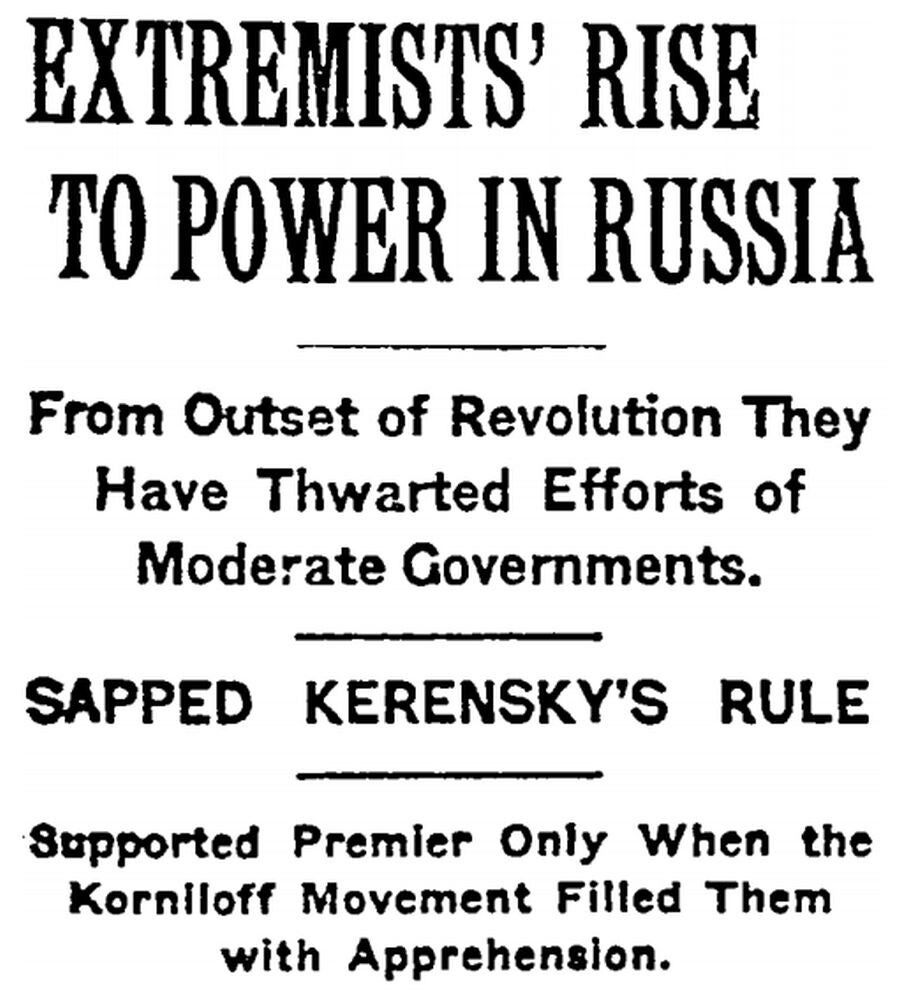
The New York Times headline from 9 November 1917. The October Revolution inspired global communist movements, alarmed conservative governments, accelerated anti‑colonial activism, reshaped international politics, and intensified ideological conflict between socialism and capitalism throughout the twentieth century.
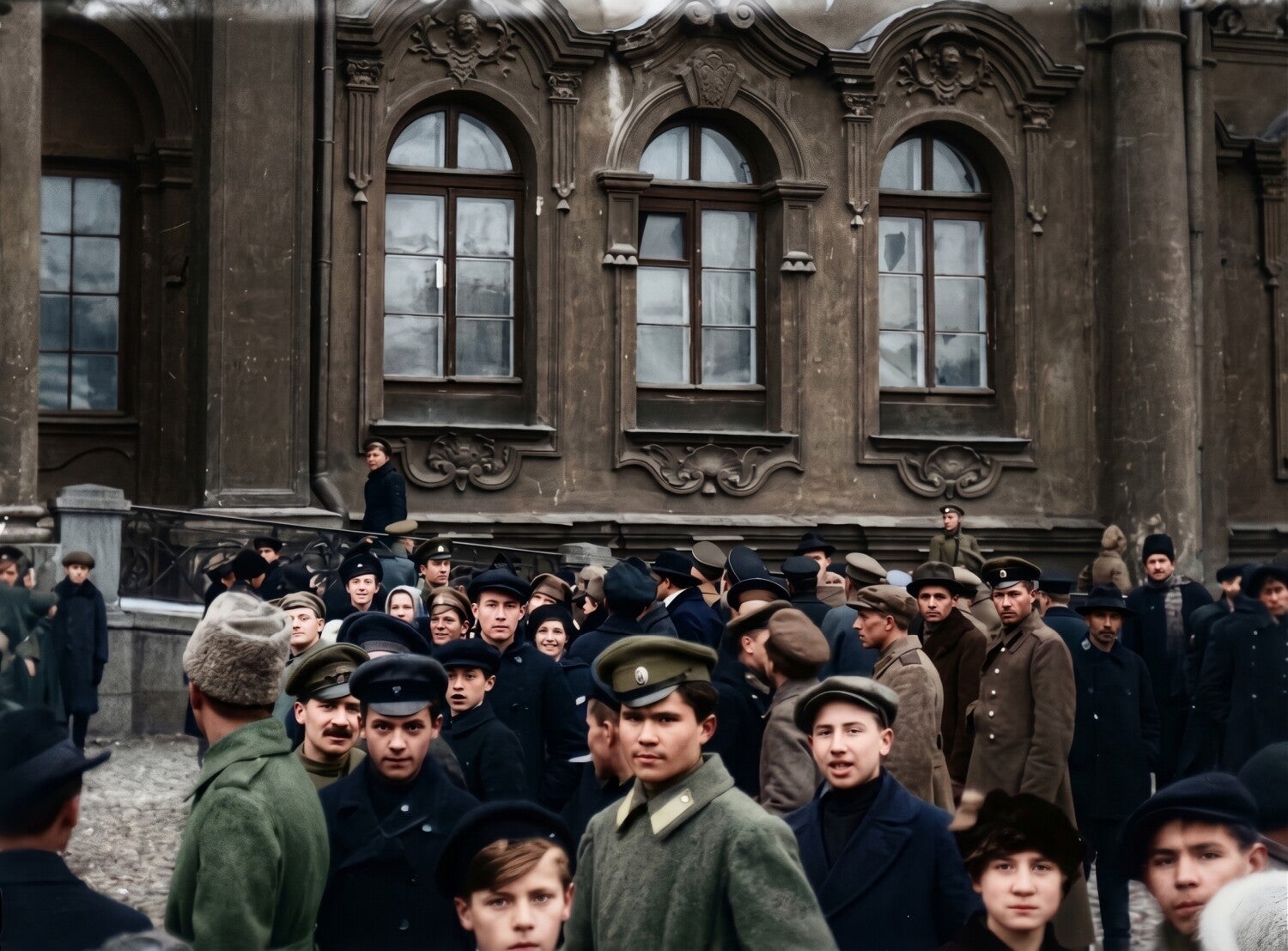
The Winter Palace in Petrograd on 8 November 1917, one day after the Bolshevik insurrection, symbolised the collapse of the Provisional Government and the consolidation of Soviet power. Its rapid seizure demonstrated the effectiveness of coordinated revolutionary action and electrified socialist movements abroad. News of the uprising travelled quickly through Europe, profoundly influencing labour unrest. In Germany, the October Revolution emboldened radical workers, strengthening the January 1918 strikes, which drew inspiration from Russia’s example of mass, organised revolt.
...incompetent and indifferent to civilian suffering...

Rosa Luxemburg of the Spartacus League (later the KPD) saw the October Revolution as a vital anti‑war breakthrough, inspiring German workers, though she criticised Bolshevik authoritarianism while urging mass democratic socialism.
The Spartacists intensified their agitation, distributing leaflets that openly called for a general strike.
Their message resonated strongly among workers who had endured years of hardship and who increasingly viewed the Imperial government as both incompetent and indifferent to civilian suffering.
Yet the Spartacists alone could not initiate a mass stoppage; the decisive organisational power lay with the Revolutionary Stewards, a clandestine network of militant shop stewards embedded in Berlin’s major factories.
Their leader, Richard Müller, possessed both the authority and the practical influence needed to coordinate action across multiple industrial sectors.
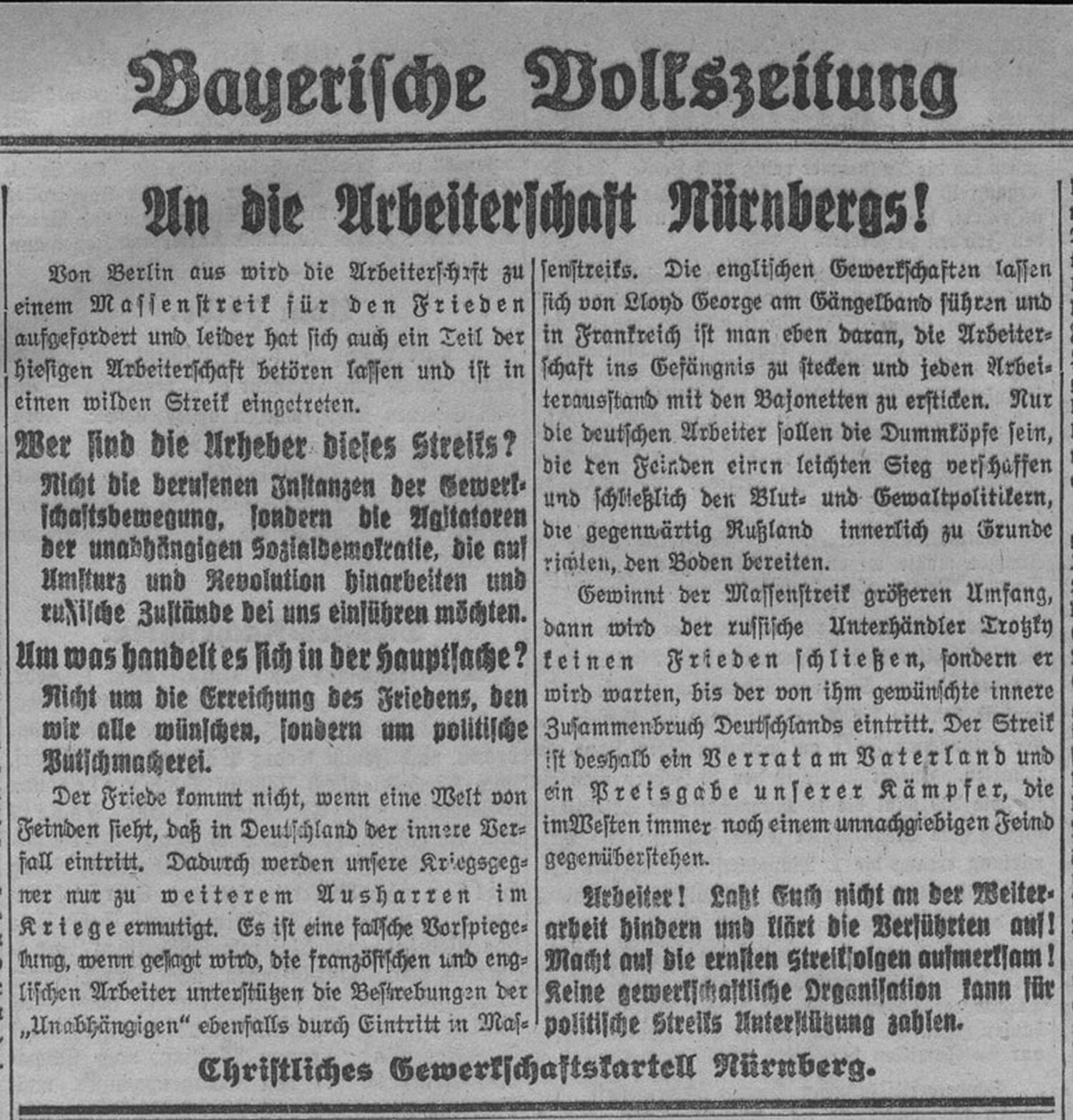
Appeal to the workers of Nuremberg in the Nuremberg edition of the Bayerische Volkszeitung of January 29, 1918.
https://www.historisches-lexikon-bayerns.de/Lexikon/Januarstreik_(1918)
...the crucial first step...
By mid‑January 1918 Müller judged that labour was ready for a coordinated strike. At a USPD meeting, most delegates agreed that a general strike was necessary, though a minority feared premature confrontation.
The party leadership refused to issue a formal written call, partly to avoid immediate repression and partly because they lacked full internal consensus.
This left the initiative with the Stewards, who operated independently of party discipline. On 27 January Müller persuaded the Berlin Turners to declare a strike, providing the crucial first step.
Spartacist leaflets quickly followed, announcing that a general stoppage would begin on 28 January, transforming simmering discontent into a coordinated challenge to the wartime state.
The Strike
The strike erupted first in Berlin’s metal and munitions plants, the core of Germany’s wartime industrial apparatus and the sector most capable of exerting pressure on the state.
On 28 January an estimated 400,000 workers walked out, a scale unprecedented since the war began.
Their demands reflected both immediate material hardship and broader political frustration: peace without annexations or indemnities, improved food supplies, an end to compulsory military service, restoration of civil liberties suspended under the state of siege, and a democratic restructuring of the German political system.
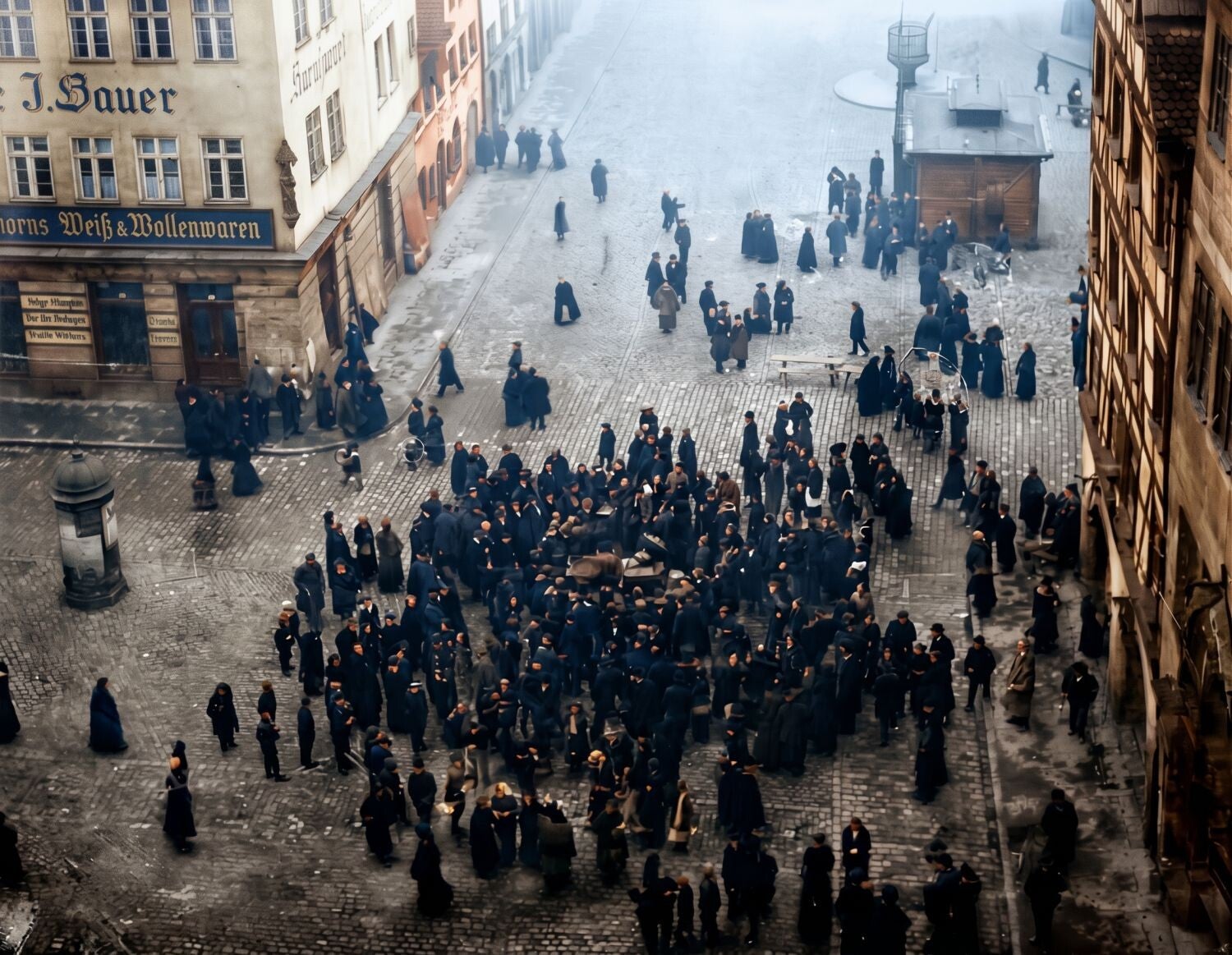
Participants in the peace demonstration on January 30, 1918, returning from the demonstration at Egidienplatz in Nuremberg.
https://www.historisches-lexikon-bayerns.de/Lexikon/Januarstreik_(1918)
Information
Richard Müller, drawing on the authority he held among the Revolutionary Stewards, drafted a comprehensive programme that added further points.
- Universal suffrage for all adults over twenty,
- The removal of military oversight from factories,
- The release of political prisoners detained for anti‑war activity.
The Spartacist wing of the USPD, more radical in outlook, appended its own call for a global socialist revolution, though this position was not shared by the majority of strikers.
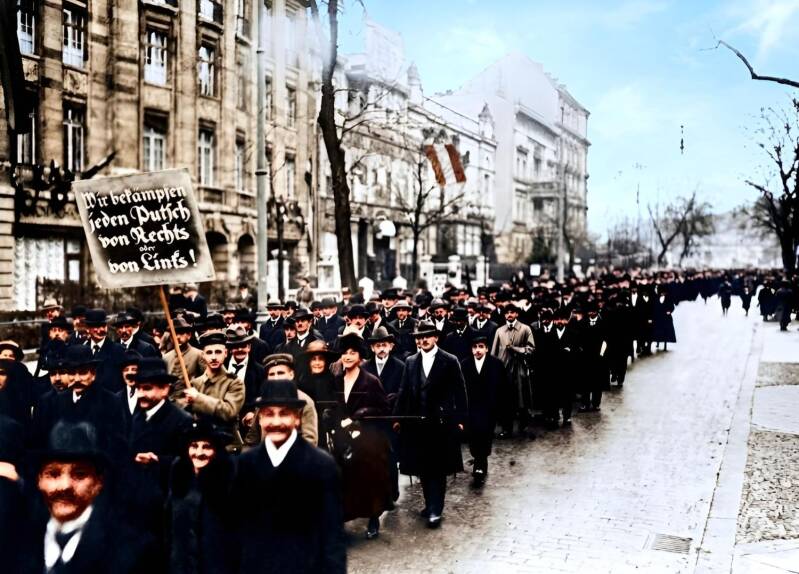
A mass demonstration marches down the Bellvuestrasse, Berlin. The placard held by one of the marchers reads, 'We shall fight against any illegal seizure of power by Right or by Left.'
Information
Inside the factories, workers held mass meetings despite the risk of arrest. Delegates were elected rapidly and in large numbers, reflecting the organisational capacity that had developed since 1916.
These delegates assembled in Berlin and formed an eleven‑member Action Committee intended to coordinate the strike across the city.
Representatives from both the USPD and the SPD were invited to participate, though the SPD delegation—Friedrich Ebert, Philipp Scheidemann, and Otto Braun—left abruptly after a false alarm about an imminent police raid.
Their departure underscored the widening gulf between the SPD leadership, committed to maintaining the war effort, and the increasingly militant industrial workforce.
By nightfall the government had banned factory meetings and dissolved strike councils, even as the number of strikers approached half a million.
Information
On 29 January the Action Committee attempted to negotiate with the Interior Ministry. Instead of a formal meeting with senior officials, they were received by a civil servant who informed them that the committee had been declared illegal and that its members were liable to prosecution.
The military simultaneously prepared for suppression: red posters announced a heightened state of siege, courts‑martial were established, and non‑commissioned officers were drafted to reinforce the police.
In response, the Action Committee issued a call for a mass open‑air meeting in Treptow Park on 31 January.
At this gathering Ebert urged workers to continue supporting the war, a position that provoked loud denunciations from the crowd.
Wilhelm Dittmann of the USPD was arrested on the spot for alleged subversion and later sentenced to five years’ imprisonment.
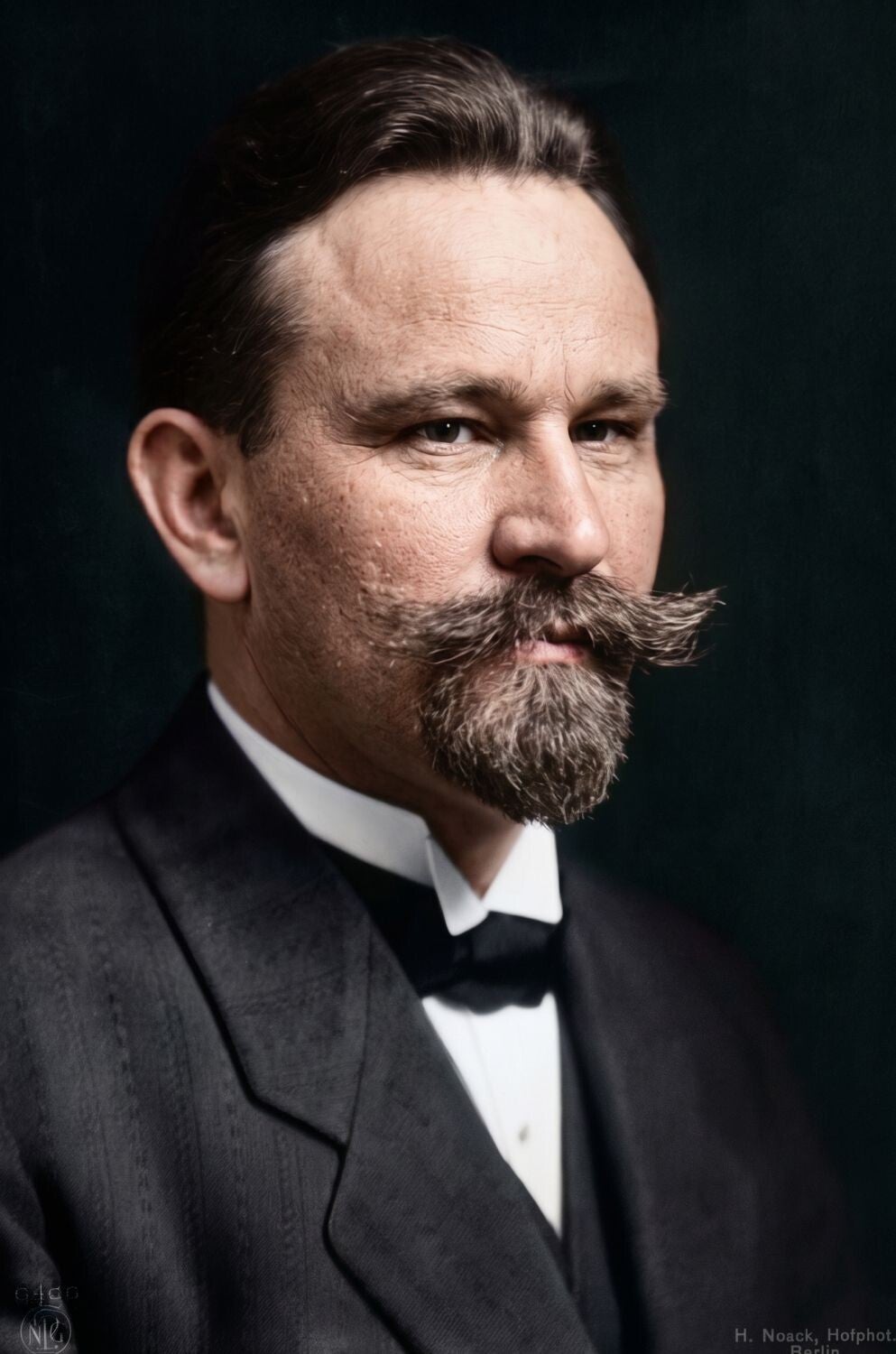
Wilhelm Dittmann, USPD leader, was arrested during the January 1918 German strikes, symbolising repression against socialist workers.
Information
By 1 February the military declared that martial law would be imposed if the strike continued.
SPD representatives on the Action Committee pressed for an immediate return to work, reflecting their determination to avoid revolutionary confrontation.
The government dissolved the 414‑member delegate body elected by the strikers and conscripted up to 50,000 workers into the army, removing many of the most active participants.
Confronted with overwhelming force, internal division, and the threat of mass arrests, the Action Committee conceded defeat and called for work to resume on 3 February.
Aftermath
The aftermath was severe. Strike leaders were arrested or drafted, including key Spartacists such as Leo Jogiches who was arrested on 24th March 1918.
The failure of the strike convinced the Spartacist leadership that future revolutionary efforts would require the loyalty of soldiers as well as workers.
Although the January strike collapsed quickly, it revealed the depth of discontent within Germany’s industrial centres and the growing political weight of the USPD.
It also demonstrated the fragility of the Imperial government’s authority in the final year of the war, foreshadowing the upheavals that would culminate in the November Revolution later in 1918.
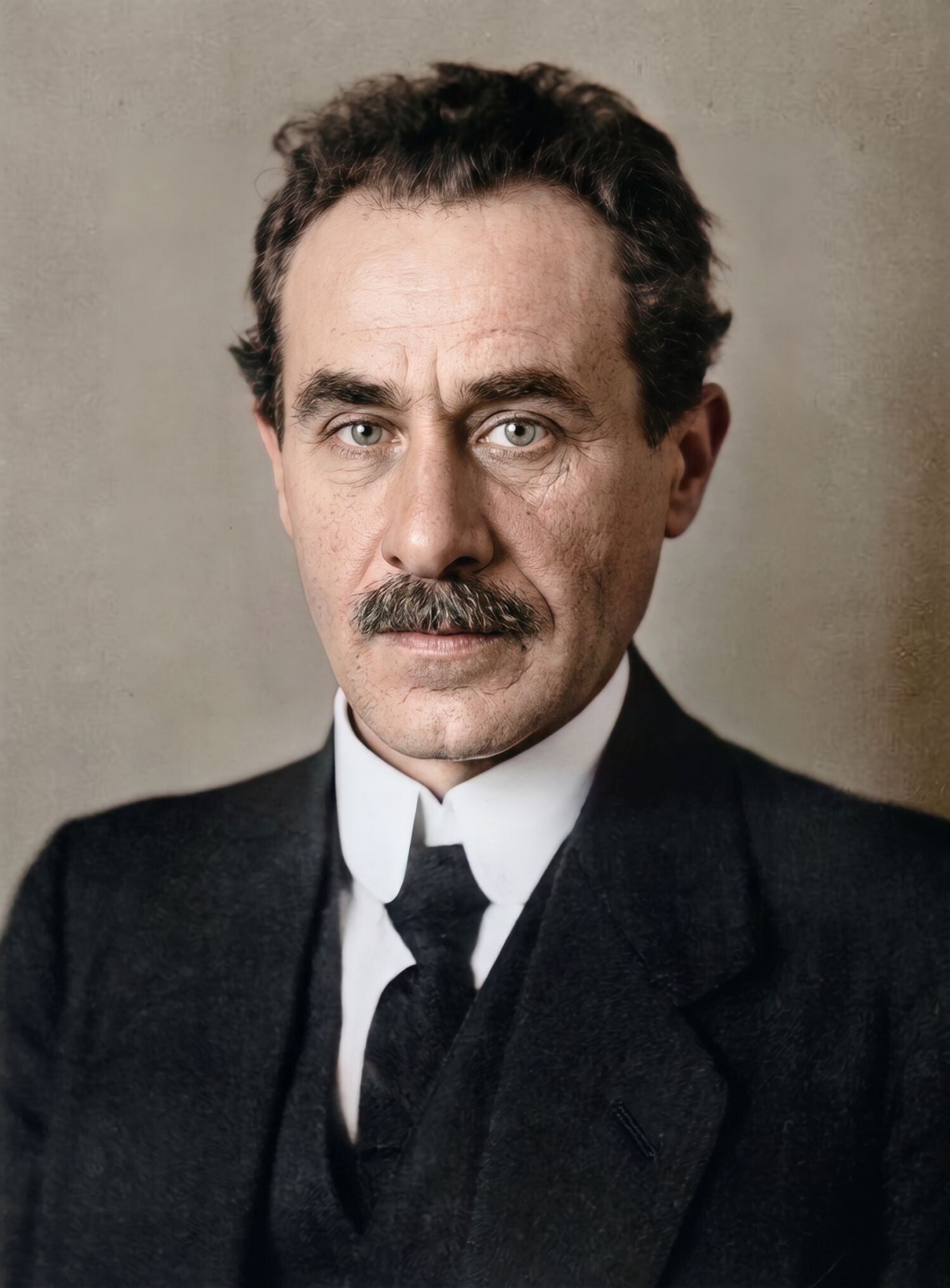
Leading Spartacist, Leo Jogiches, was one of many key figures arrested in March 1918 during the intensified repression that followed the strike.